
The SPARK-COIL Erasmus+ Project continues to expand how universities connect their classrooms, bringing students and faculty together across borders through Collaborative Online International Learning (COIL).
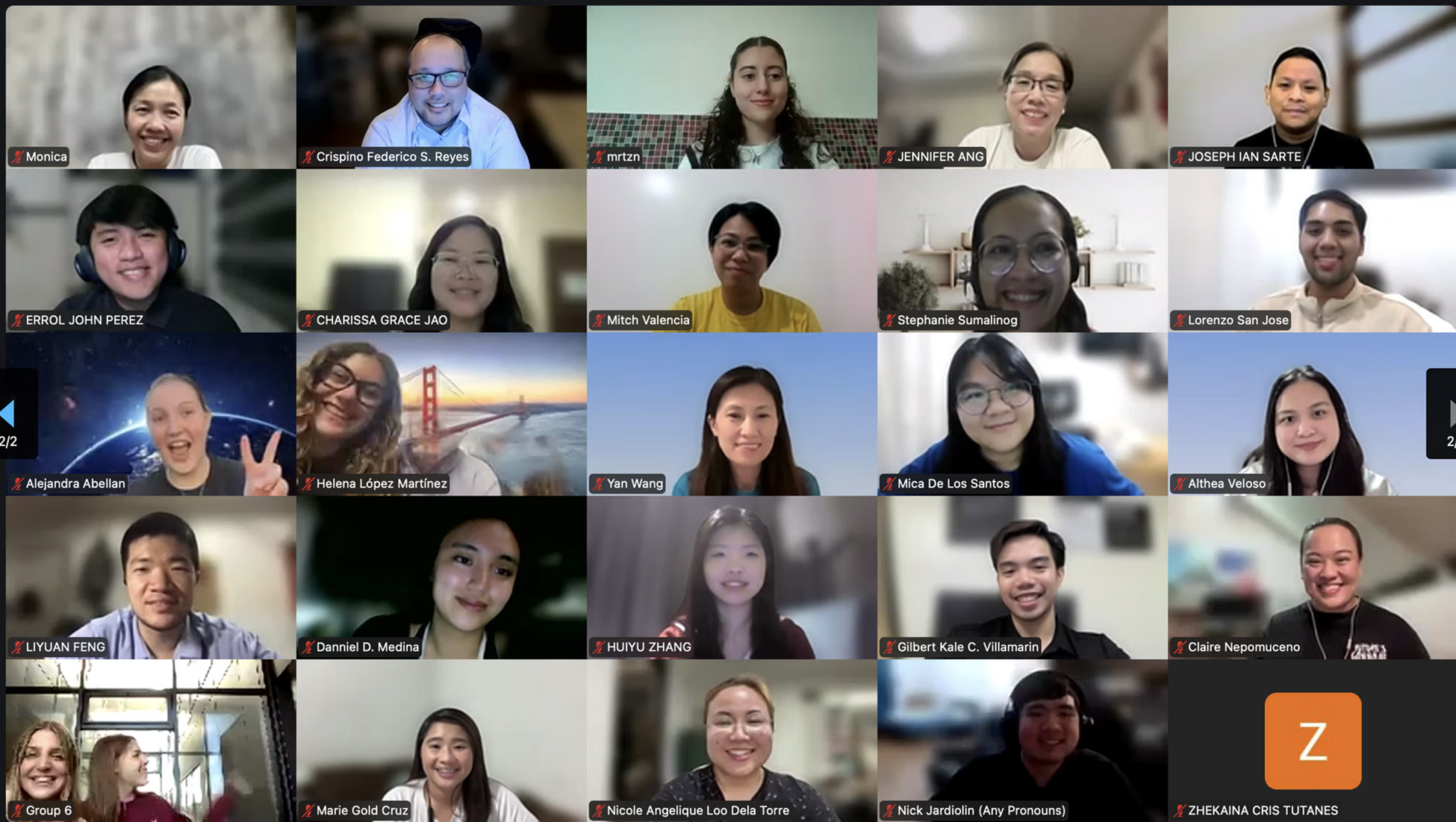
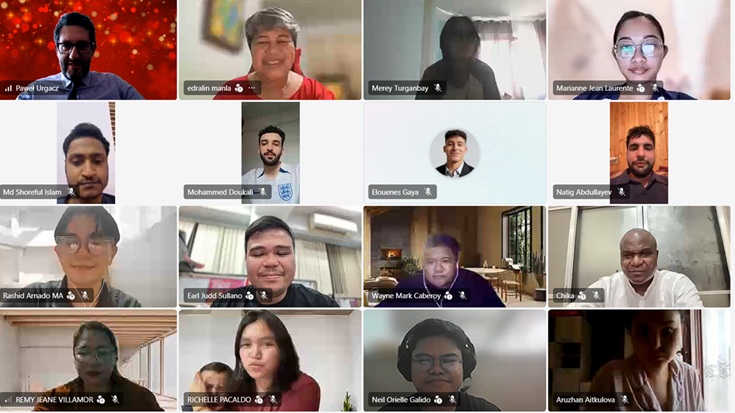
Across classrooms separated by geography, language, and time zones, students stepped into shared learning spaces without leaving their campuses. Through COIL, perspectives that once felt distant became part of everyday class discussions. Students worked with peers from other countries, exchanged ideas across cultures, and began to see their disciplines through experiences supported by collaboration.
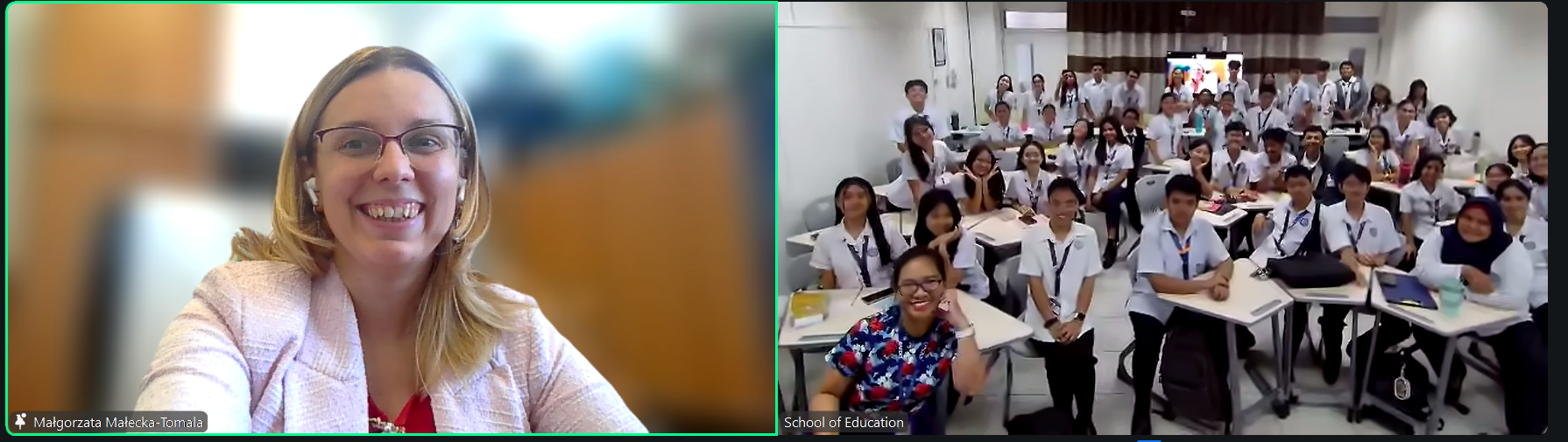
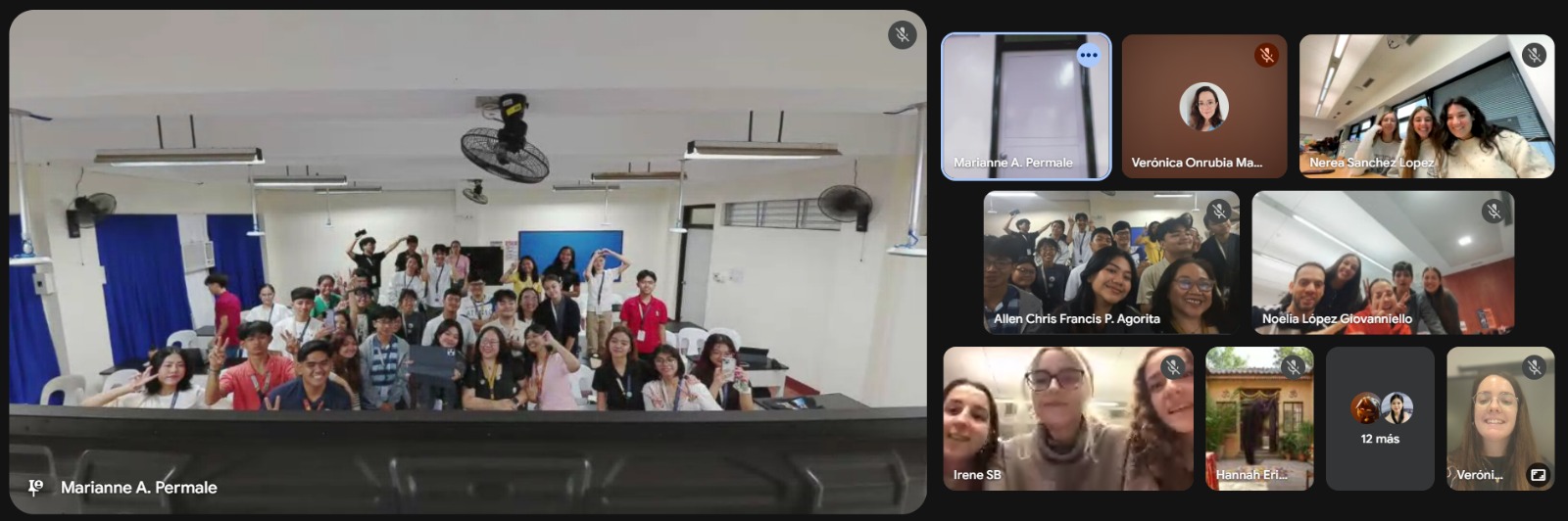
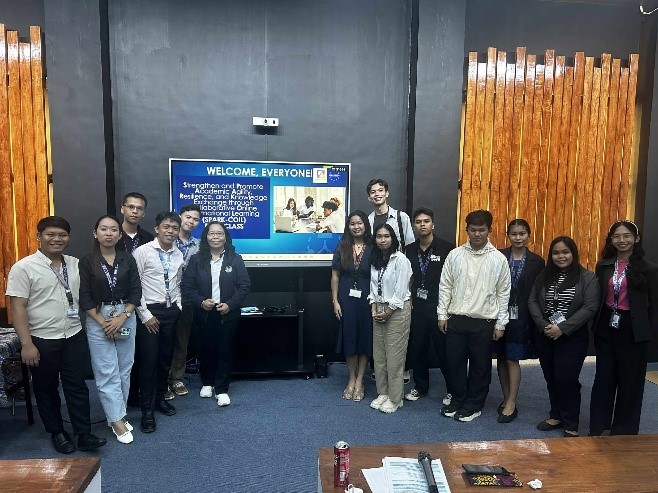
This was successfully facilitated under Work Package 3: Pilot Implementation, led by Ateneo de Davao University, where the SPARK-COIL project moved from design to actual classes. Faculty, COIL champions, from the Philippines and Europe carried out jointly designed courses while working through differences in schedules, cultures, and contexts.
Phases of the COIL-Enhanced Pilot Implementation
The pilot followed a structured six-phase process that moved from initial faculty engagement to full classroom implementation. It began with COIL champion sign-ups, where faculty expressed interest and shared course details. This was followed by a pairing phase, which matched faculty based on discipline, schedule, and teaching goals. A training workshop then introduced COIL pedagogy and facilitated initial collaboration. Faculty proceeded to develop joint syllabi, aligning learning outcomes, activities, and assessments. Classroom implementation came next, where courses were delivered by faculty across institutions, supported through coordination and documentation. The process concluded with evaluation and reporting, where insights from activity logs, student outputs, and reflections were gathered and consolidated.
What the Pilot Produced
The results of the pilot went beyond what was initially planned. Fourteen COIL-enhanced classes were implemented. Participation reached around 585 students, nearly three times the expected number. These courses were faculty-led, with COIL champions working in pairs across institutions to co-design syllabi and guide implementation.
Across both interdisciplinary and discipline-specific courses, each COIL class produced a range of outputs, including comparative research, group presentations, video projects, teaching materials, and applied outputs. These were supported by detailed documentation, including activity logs and faculty implementation reports that captured teaching experiences, challenges, and insights.
Among the COIL champions and their courses were:
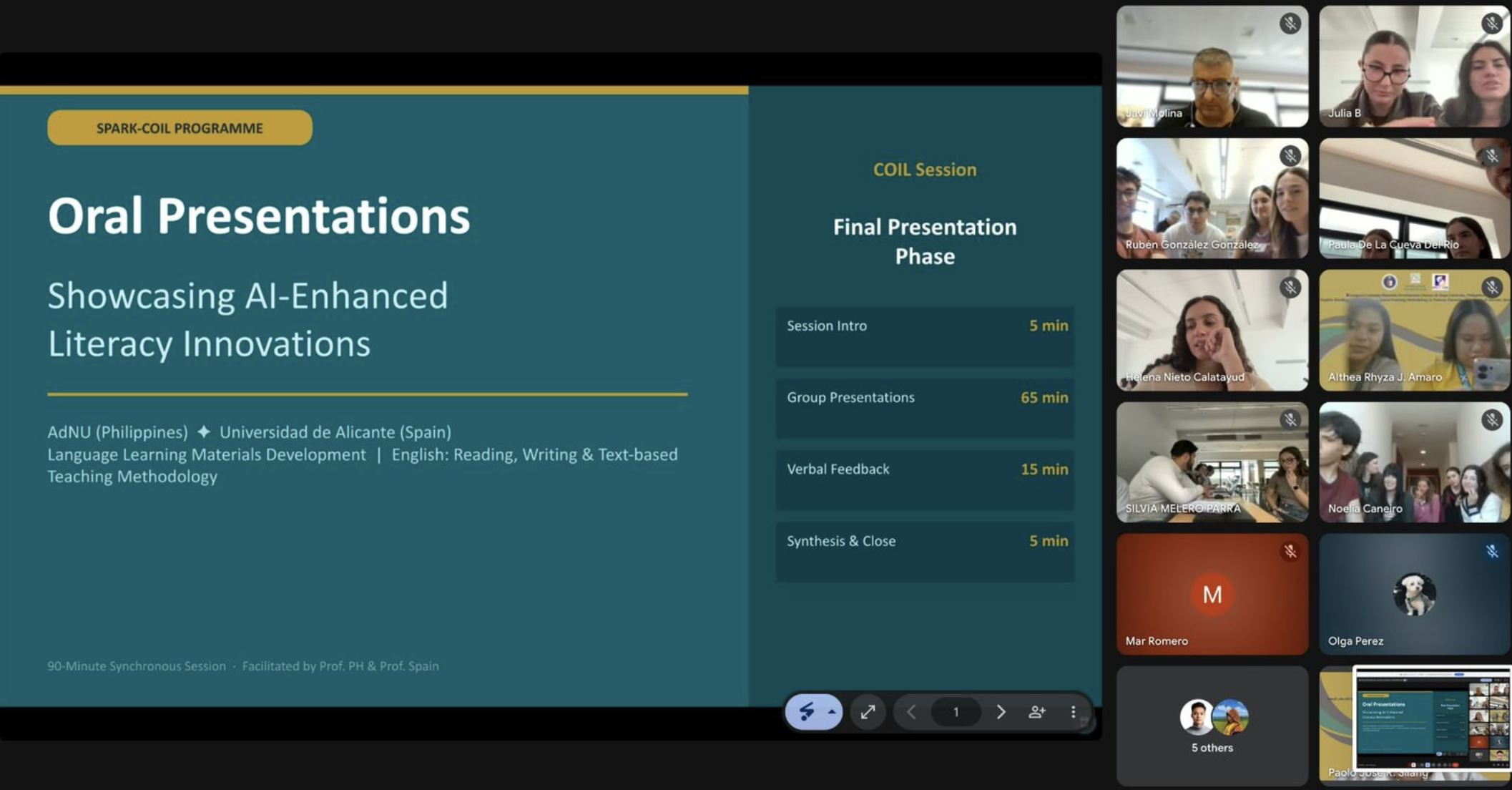
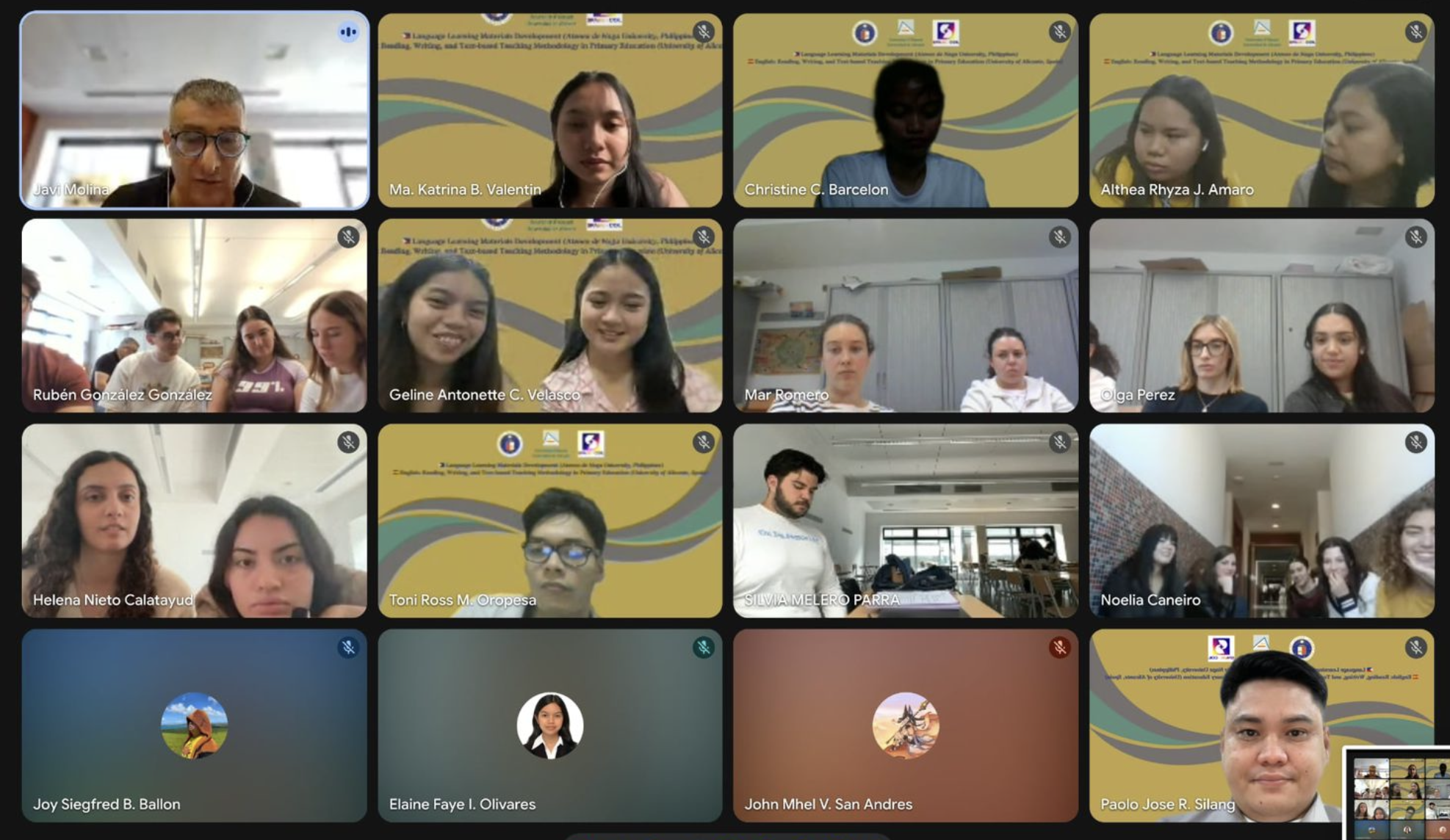
1. Paolo Jose R. Silang (Ateneo de Naga University, Philippines) and Javier Fernández Molina (University of Alicante, Spain): Language Learning Materials Development and English: Reading, Writing, and Text-Based Teaching Methodology
2. Galvin Radley L. Ngo (Ateneo de Manila University, Philippines) and Rosabel Martínez Roig (University of Alicante, Spain): Media and Technology Applications and Curriculum Development and Digital Classrooms
3. Marianne A. Permale (Ateneo de Naga University, Philippines) and Verónica Onrubia Martínez (University of Alicante, Spain): Facilitating Learner-Centered Teaching and Education, Research, and Digital Inclusion
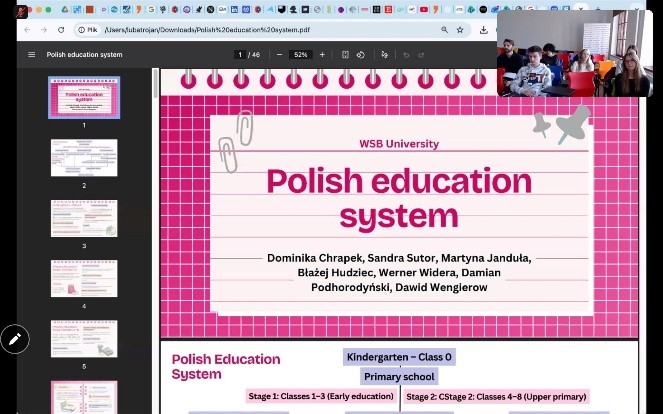
4. Dorothy Joann Lei L. Rabajante (Ateneo de Zamboanga University, Philippines) and Małgorzata Małecka-Tomala (WSB University, Poland): Child and Adolescent Learners and Learning Principles and Design Thinking
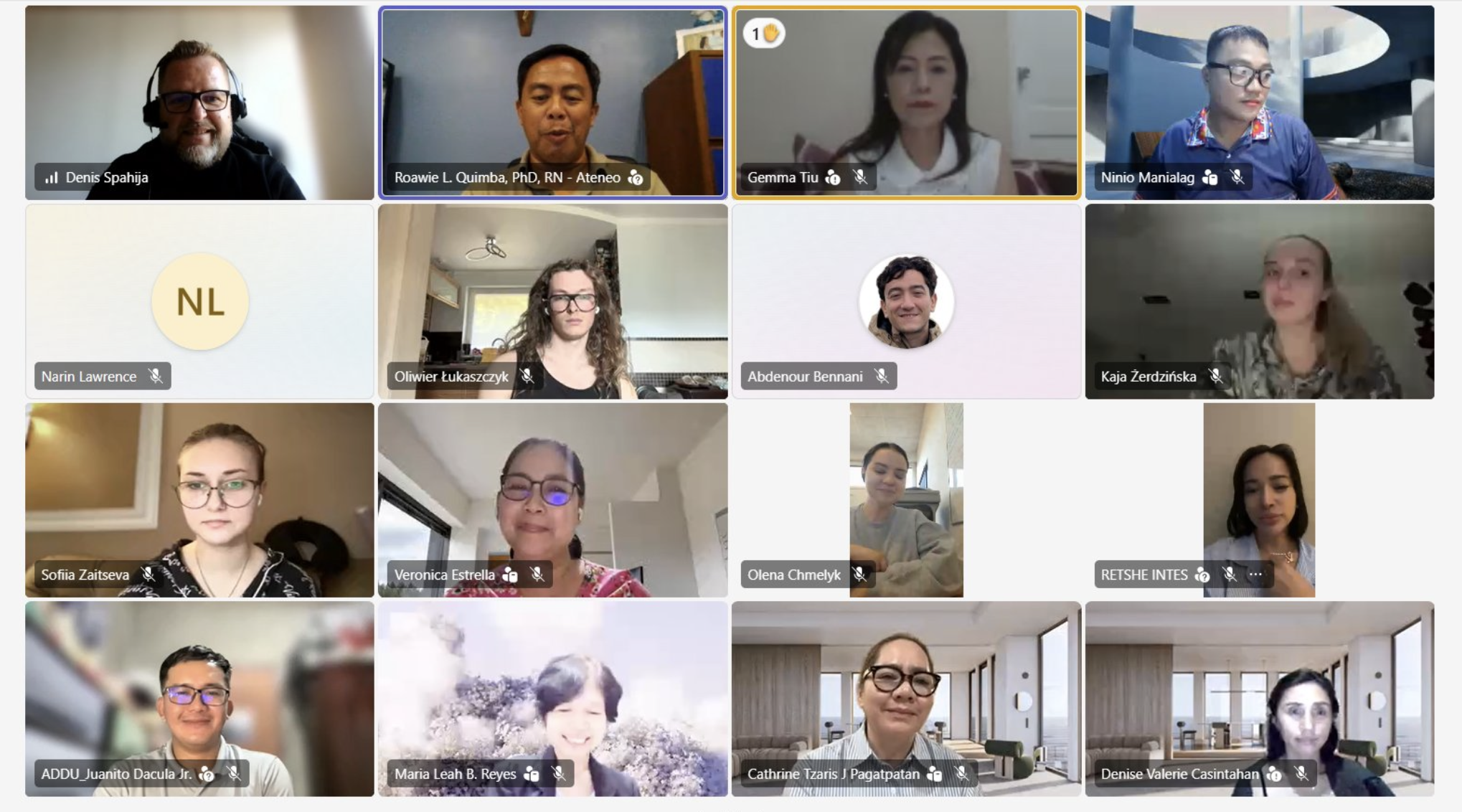
5. Roawie L. Quimba (Ateneo de Davao University, Philippines) and Denis Spajiha (WSB University, Poland): Ignatian Leadership and Spirituality and Intercultural Literacy
6. Manuel R. Enverga III (Ateneo de Manila University, Philippines) and Paweł Urgacz (WSB University, Poland): Cross-Cultural Communication and Team Communication
7. Edralin C. Manla (Xavier University – Ateneo de Cagayan, Philippines) and Paweł Urgacz (WSB University, Poland): Peace Education and Intercultural Workshop
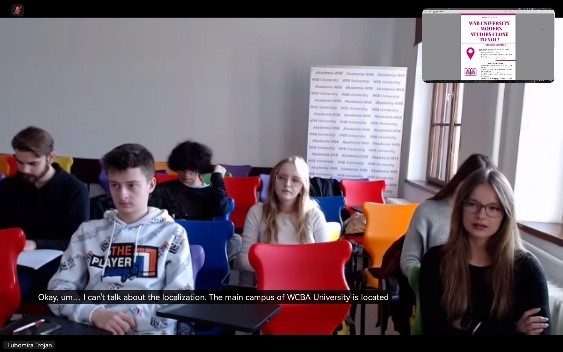
8. Perla S. Ledesma (Ateneo de Zamboanga University, Philippines) and Lubomira Trojan (WSB University, Poland): The Teaching Profession and Creativity Training
9. Pilar C. Agraviador (Ateneo de Zamboanga University, Philippines) and Piotr Krowicki (WSB University, Poland): Teaching Internship and Marketing Research
10. Maria Carmela S. Abay (Ateneo de Davao University, Philippines) and Rosabel Martínez Roig (University of Alicante, Spain): Foundations of Special and Inclusive Education and Didactics and Curriculum Design
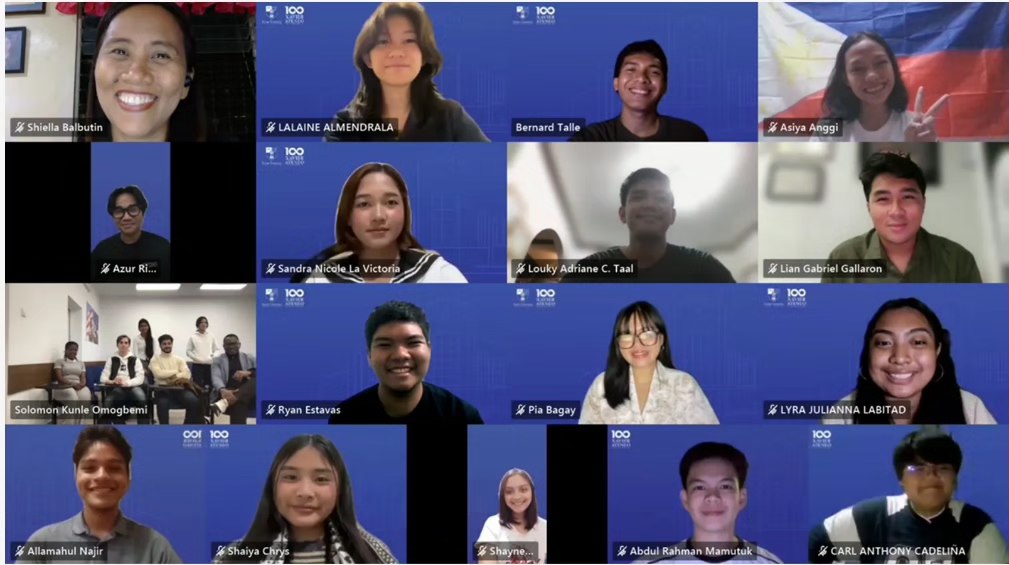
11. Shiella C. Balbutin (Xavier University – Ateneo de Cagayan, Philippines) and Solomon K. Omogbemi (WSB University, Poland): Cross-Cultural Communication and Corporate Social Responsibility
12. John Luis D. Lagdameo (Ateneo de Manila University, Philippines) and Joanna Kurowska-Pysz (WSB University, Poland): International Business Opportunities and Innovation Management
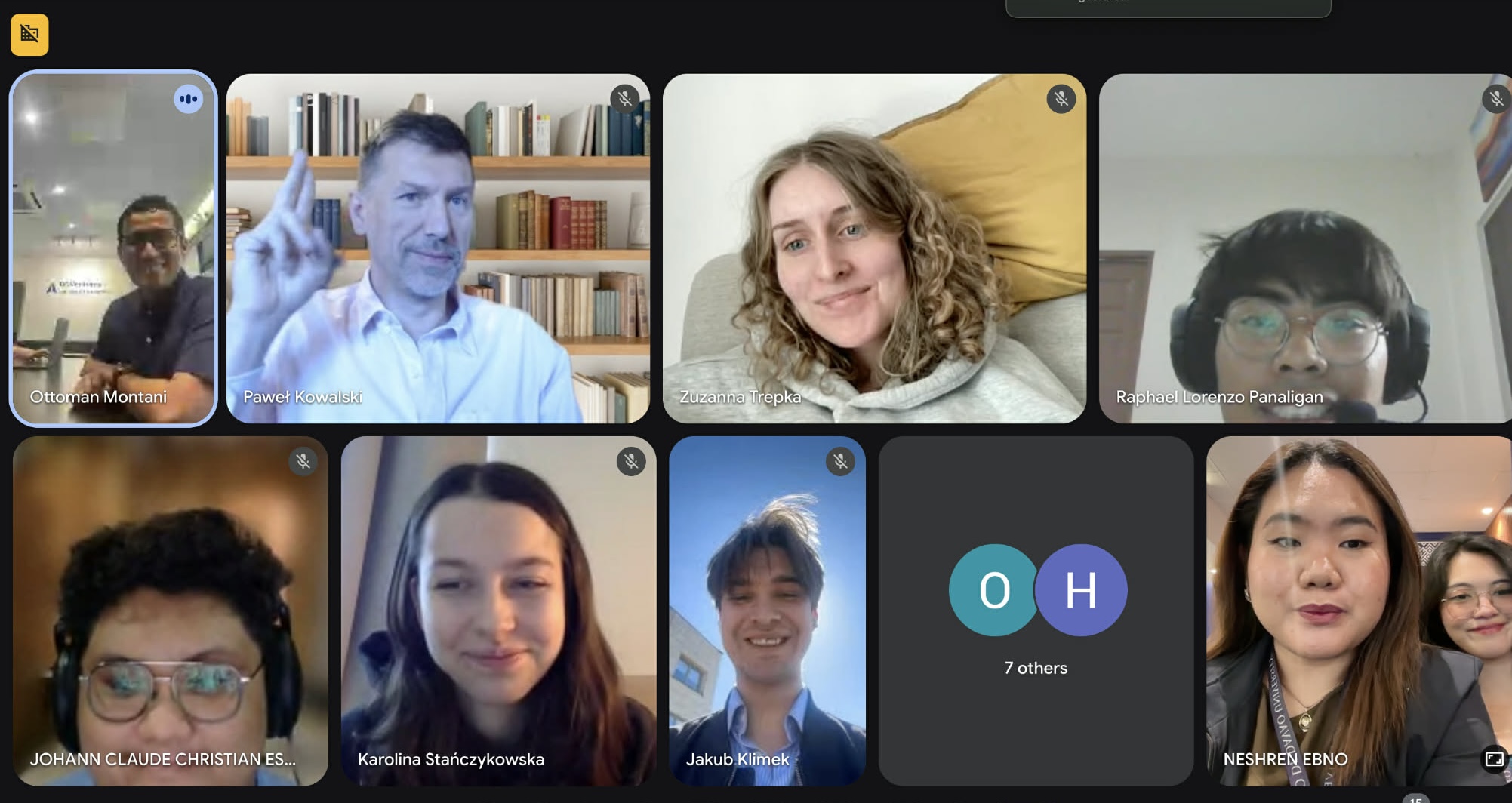
13. Ottoman B. Montani Jr. (Ateneo de Davao University, Philippines) and Paweł Kowalski (SWPS University, Poland): Ethics, Laws, Codes, and Standards for Robotics Engineering and Artificial Intelligence in Law
14. Maria Luz T. Badiola (Ateneo de Naga University, Philippines) and María Soledad Villarubbia Zúñiga (University of Alicante, Spain): Peace in Print: Reading and Reflecting Across Cultures and Habilidades Comunicativas y Lectoescritura en Castellano
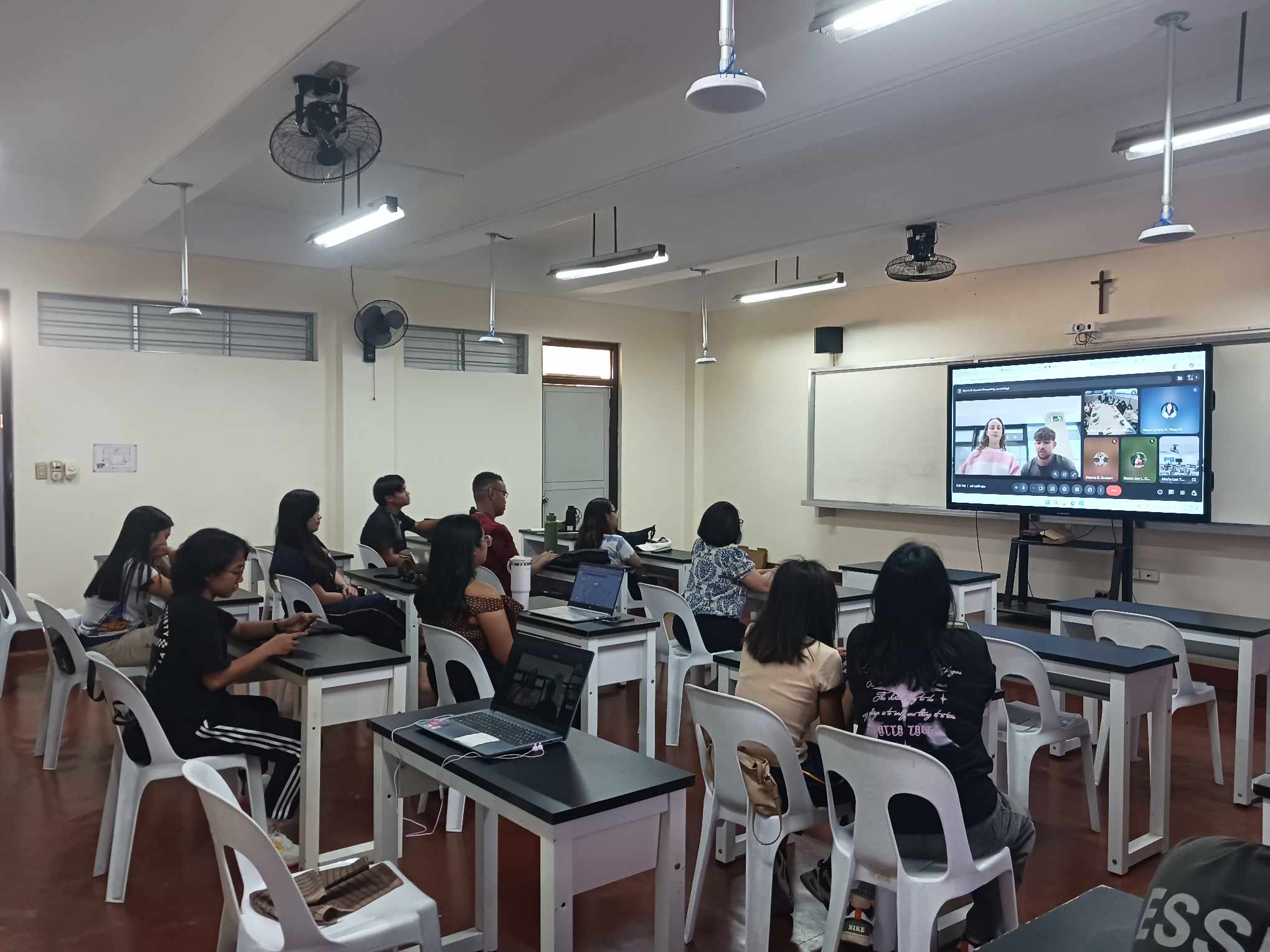
Learning unfolded through both live interaction and independent collaboration. Students joined synchronous sessions for discussions, presentations, and intercultural exchange, while asynchronous work allowed them to continue collaboration across time zones. Digital platforms became shared workspaces where ideas were exchanged, tasks were coordinated, and outputs were developed collectively.
At the same time, the pilot implementation revealed the realities of cross-border teaching. Differences in academic calendars, time zones, and contexts required constant adjustment. Faculty also documented both the challenges and the strategies that supported collaboration.
What’s Next
The SPARK-COIL pilot implementation shows how global learning can take place within regular coursework, allowing more students to take part in international collaboration without leaving their campuses.
As the project moves into Work Package 4: Replication Training, the next phase will expand COIL beyond the consortium. Faculty members who participated as COIL champions will take on new roles as trainers, leading subsequent training sessions for other educators. This will lead to more courses, wider participation, and more students engaging in cross-border learning within their classes. What began as a pilot now sets the direction for a wider network of classrooms, where learning continues to grow through shared experience and collaboration across institutions.
Faculty members interested in becoming COIL champions and participating in upcoming training and collaborative teaching initiatives may visit the official SPARK-COIL Facebook page and website (https://sparkcoil.org/) for more information.
About the SPARK-COIL Project
Strengthen and Promote Academic Agility, Resilience, and Knowledge Exchange through Collaborative Online International Learning (SPARK-COIL), an Erasmus+ Capacity Building for Higher Education (CBHE) project, marks a first for the Philippines. It is the only CBHE project proposed by a Philippine consortium, bringing together all five Ateneo Universities in the country: Ateneo de Davao University, Ateneo de Manila University (Project Lead), Ateneo de Naga University, Ateneo de Zamboanga University, and Xavier University-Ateneo de Cagayan. European partners include the University of Alicante (Spain) and WSB University (Poland).