
The Ateneo de Davao University (ADDU), in its continued effort to strengthen its internationalization initiatives, successfully implemented three (3) Collaborative Online International Learning (COIL)-enhanced classes under the SPARK-COIL Erasmus+ Project with universities in Spain (University of Alicante) and Poland (WSB University and SWPS University).
Across education, theology, and engineering, 146 Filipino and European students collaborated in virtual classrooms. These COIL-enhanced classes were carried out under SPARK-COIL Work Package 3: Pilot Implementation, where COIL progressed from planning to actual classroom delivery. COIL faculty champions co-developed syllabi, facilitated both live and asynchronous sessions, and guided students through collaborative projects, discussions, and reflections.
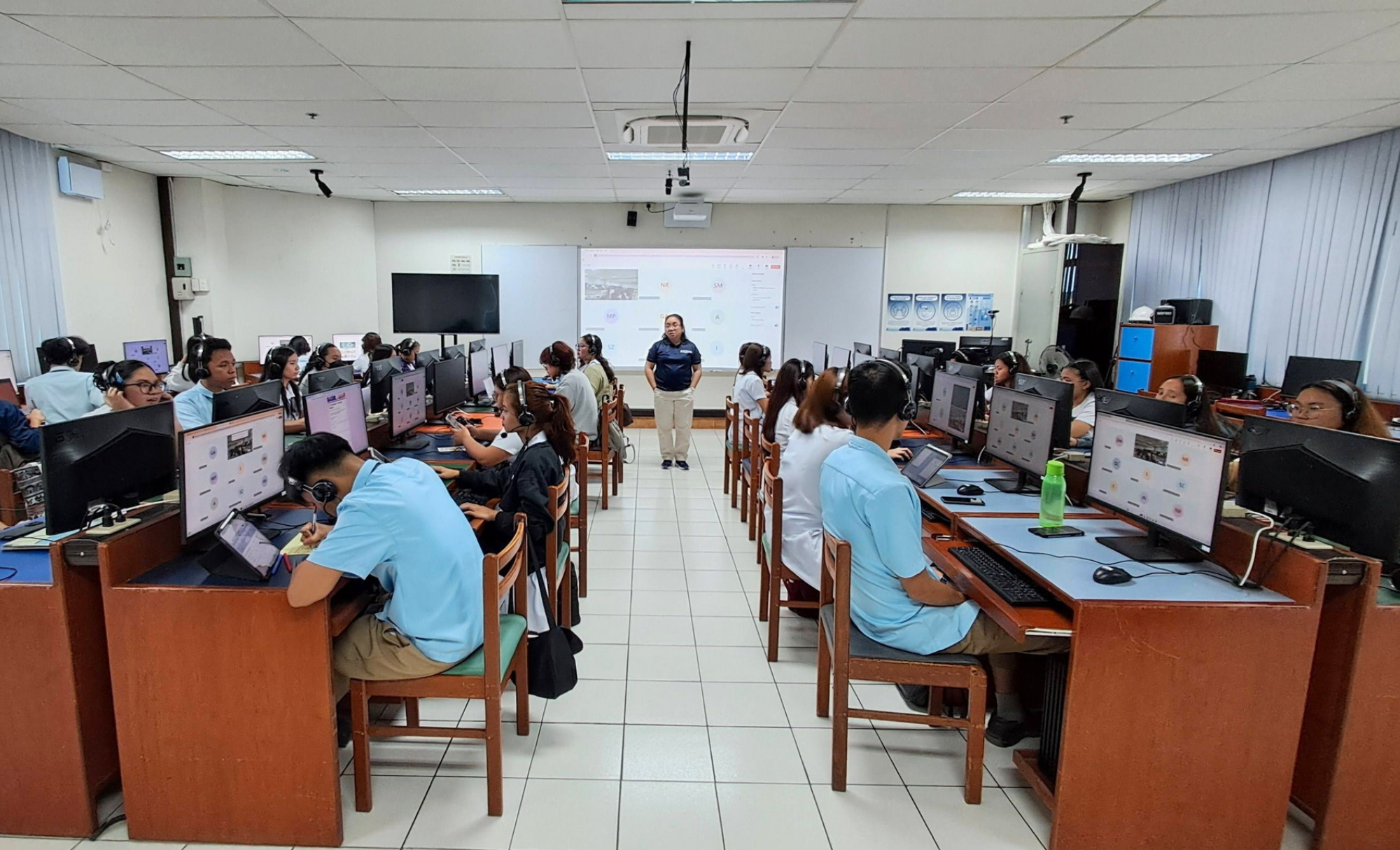
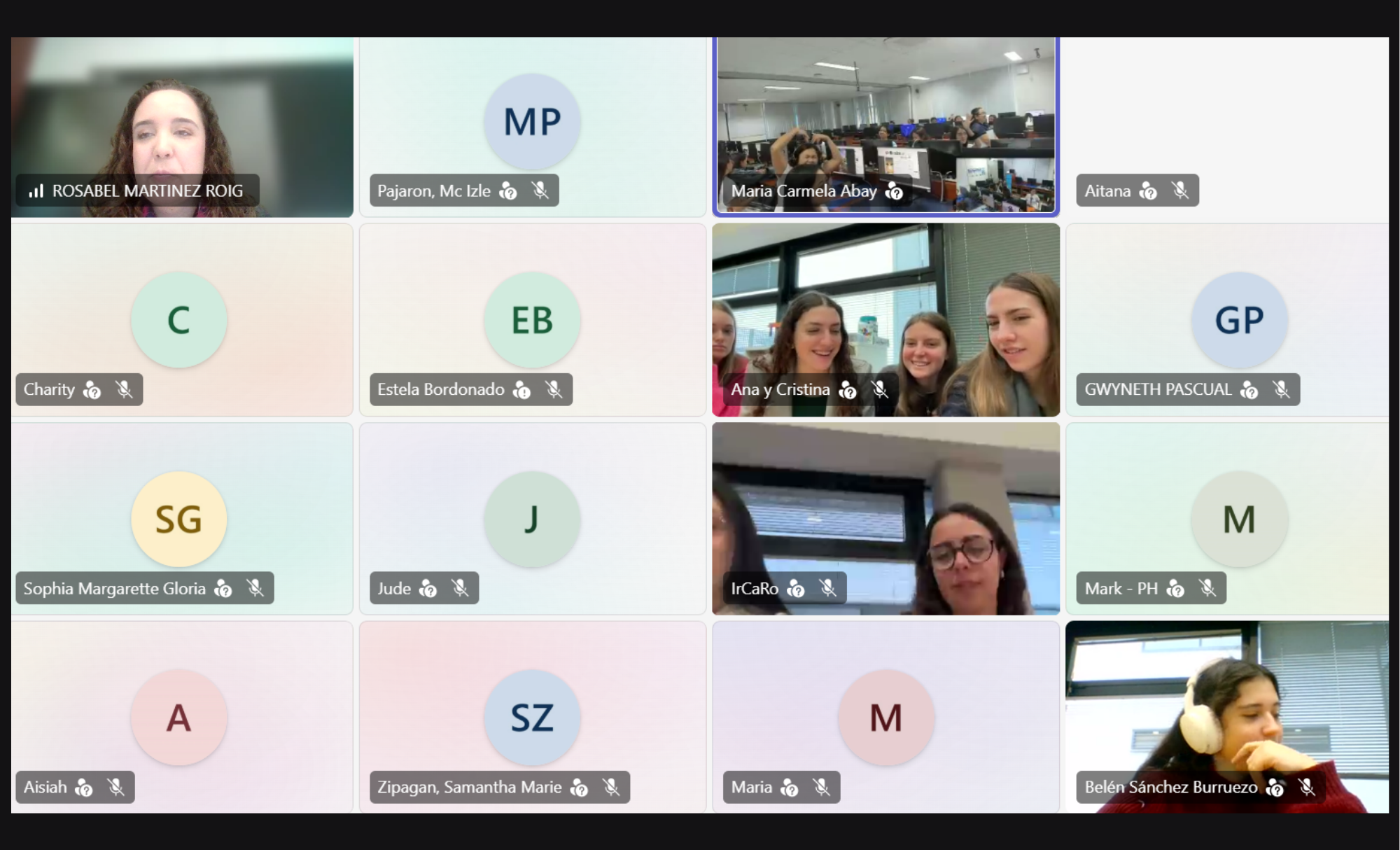
Foundations of Special and Inclusive Education (Ateneo de Davao University, Philippines) and Didactics and Curriculum Design in Primary Education (University of Alicante, Spain) | January – March 2026
COIL Champions: Dr. Maria Carmela S. Abay (School of Education, Ateneo de Davao University); Dr. Rosabel Martínez Roig (Faculty of Education, University of Alicante)
The first COIL class partnered ADDU’s School of Education with the University of Alicante. With 89 students participating (33 Filipino and 56 Spanish), the class was a testament to the scale of intercultural exchange that the COIL framework can sustain.
Conducted over four weeks, the course integrated Didactics and Curriculum Design in Primary Education and Foundations of Special and Inclusive Education. Students worked in groups to analyze inclusive classroom scenarios through various learning theories, culminating in a creative TikTok-style video showcase and a reflection session that highlighted both theoretical understanding and intercultural exchange.
The course was structured in five sessions, beginning with a Pre-COIL orientation (Week 0) conducted asynchronously. In Week 1, a synchronous live session introduced the themes of learning theories and inclusion through icebreakers, breakout discussions, and international group formation. Strong intercultural interaction was established early, with initial technical adjustments quickly resolved. Weeks 2 and 3 were carried out asynchronously: students explored inclusive classroom scenarios by sharing and applying various learning theories (Week 2), then collaborated on storyboard development and video planning with formative faculty feedback (Week 3). In Week 4, the class reconvened synchronously for a final video showcase and reflection, during which groups presented their outputs, participated in peer evaluation, and shared personal reflections. The session drew very high engagement and demonstrated a strong command of learning theories, inclusive practices, and intercultural exchange.
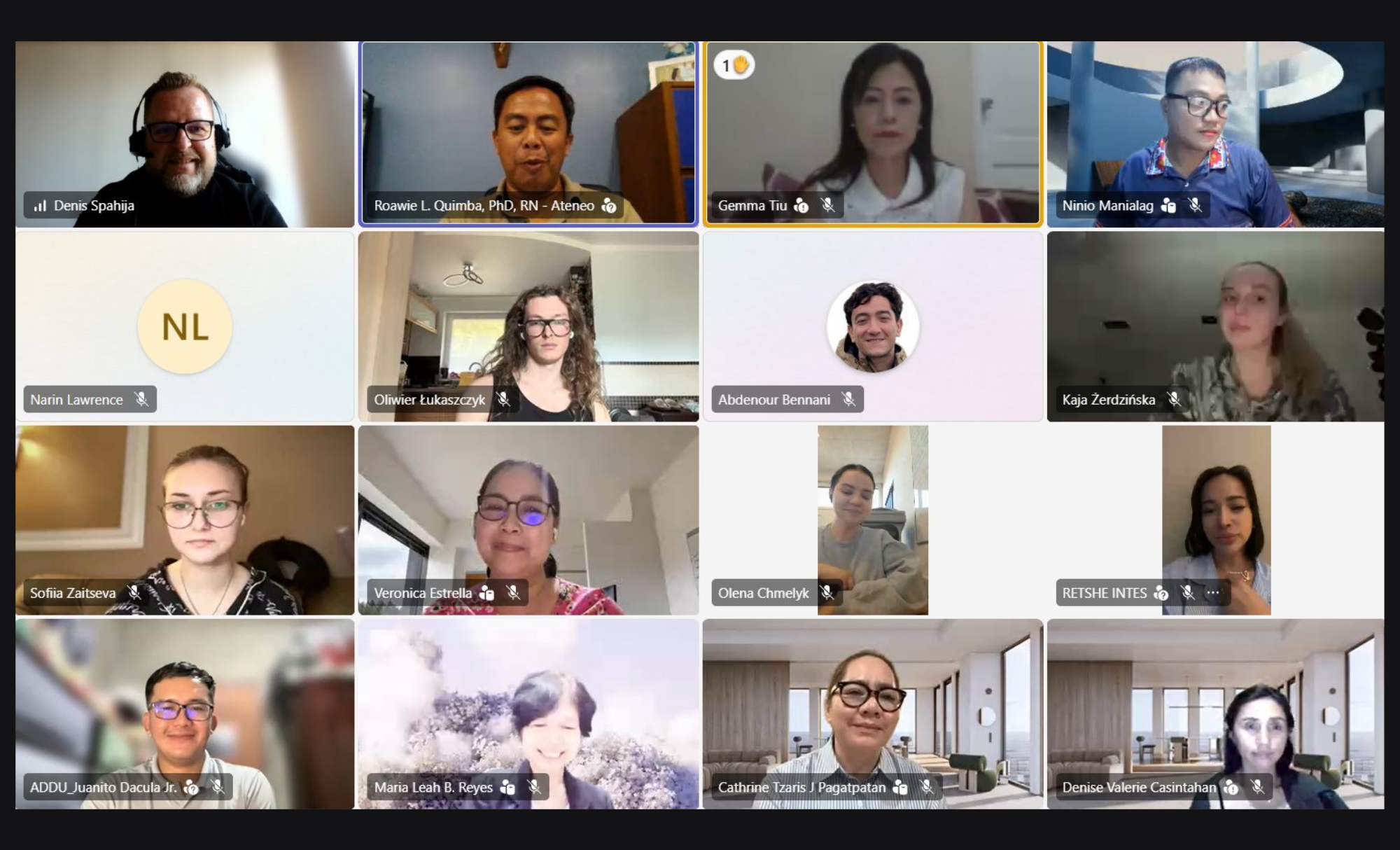
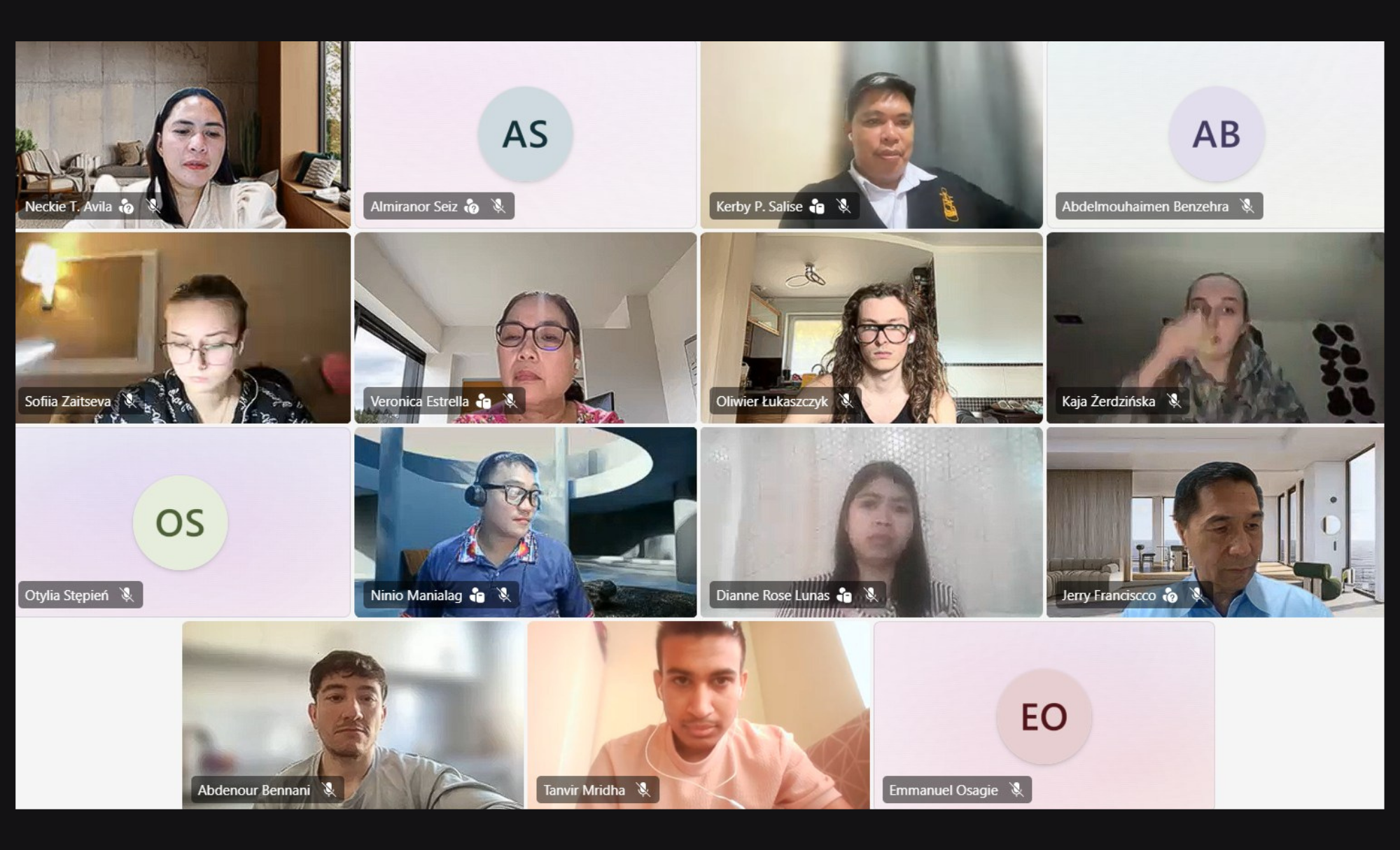
Ignatian Leadership and Spirituality (Ateneo de Davao University, Philippines) and Intercultural Literacy (WSB University, Poland) | 9 – 30 March 2026
COIL Champions: Dr. Roawie L. Quimba (Theology Department, Ateneo de Davao University); Prof. Denis Spajiha (Faculty of Applied Sciences, WSB University)
A second COIL class, conducted in collaboration with WSB University, focused on Leadership and Intercultural Literacy. The four-week course merged Ignatian Leadership and Spirituality with Intercultural Differences in International Business. A total of 38 students participated, 19 Filipino and 19 Polish, a mix of undergraduate and PhD students.
The class opened with a synchronous Pre-COIL orientation in Week 1, during which students were introduced to course policies and expectations, and formed their groups. Strong engagement and a clear understanding of the course structure were noted. In Week 2, students shifted to an asynchronous format to analyze VUCA contexts in both the Philippine and Polish settings through video lectures and reflective activities, demonstrating good analytical responses. Week 3 continued asynchronously, inviting students to reflect on leadership and intercultural dynamics through group discussions, yielding strong introspective insights. Week 4 applied these concepts through case studies, simulations, and role-play activities, with students completing negotiation and advocacy exercises at a high level of engagement. The class concluded with a synchronous final presentation, during which all groups presented their Magis advocacy projects.
Through case analyses, intercultural simulations, and reflective synthesis, students explored self-awareness, leadership, and communication within a VUCA (Volatility, Uncertainty, Complexity, and Ambiguity) global context.
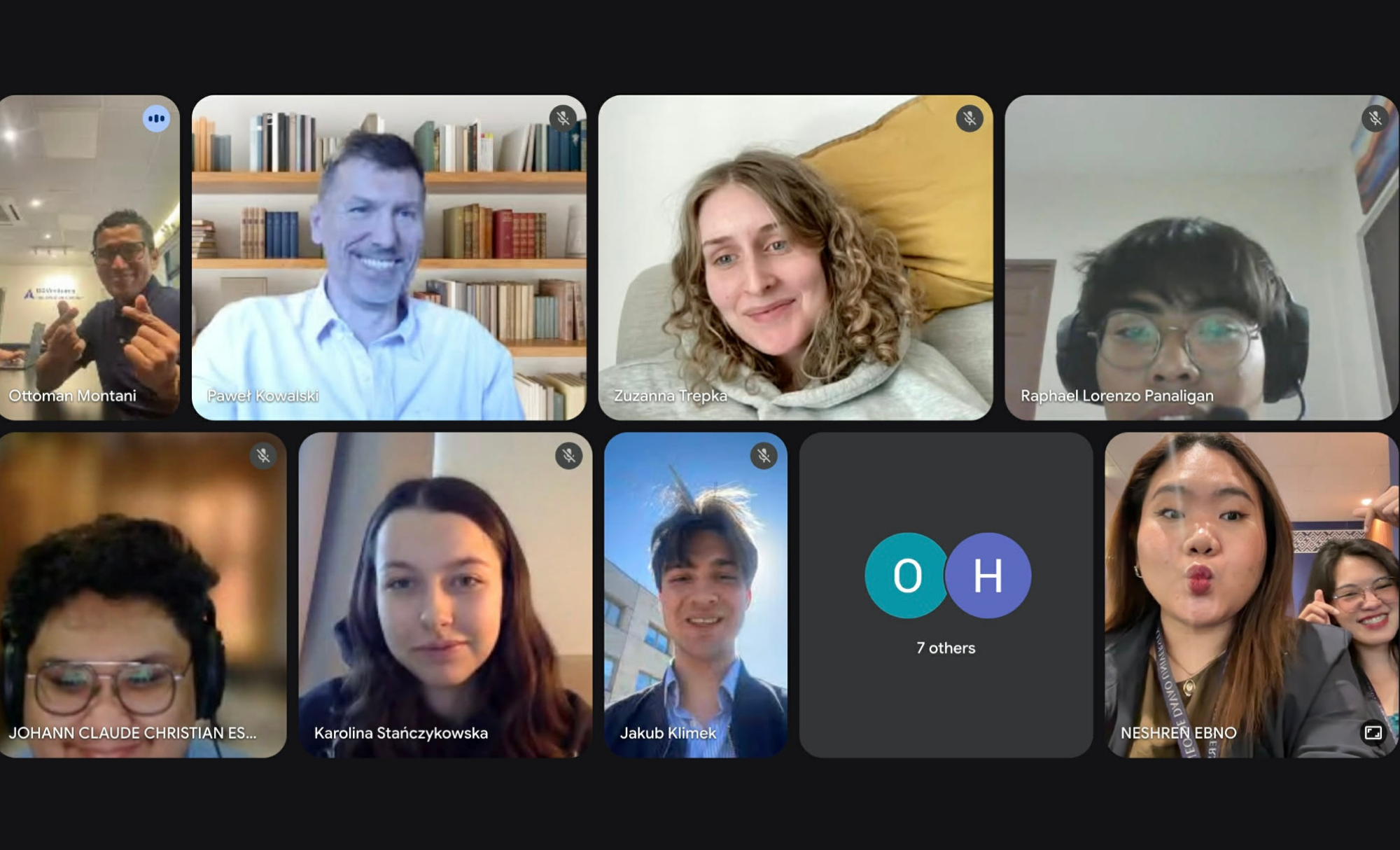
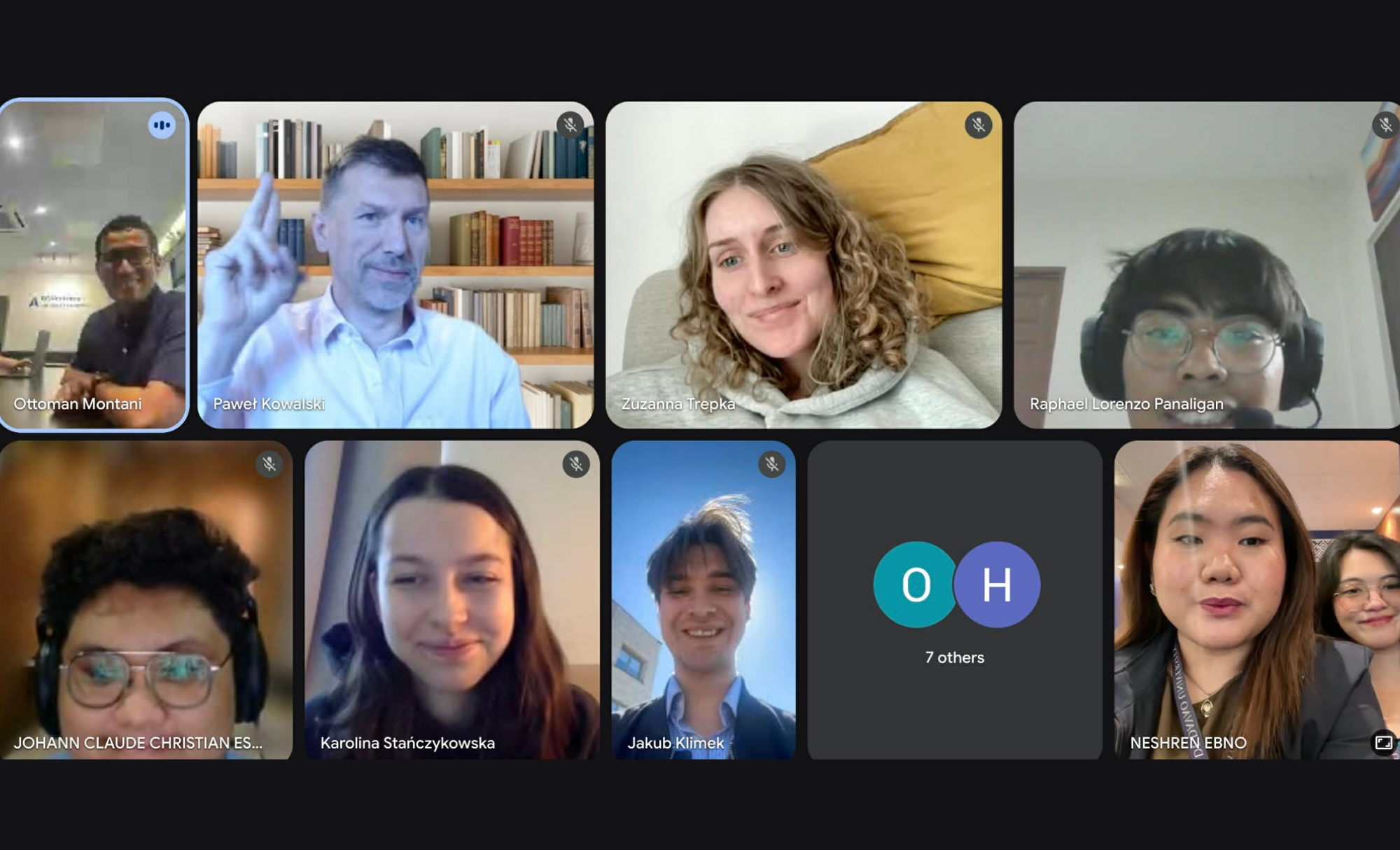
Ethics, Laws, Codes, and Standards for Robotics Engineering (Ateneo de Davao University, Philippines) and Artificial Intelligence in Law (SWPS University, Poland) | 16 March – 27 April 2026
COIL Champions: Engr. Ottoman B. Montani, Jr. (Robotics Engineering Department, Ateneo de Davao University); Dr. Paweł Kowalski (Faculty of Law, SWPS University)
The third COIL engagement, implemented with SWPS University, examined the intersection of artificial intelligence, law, and ethics. This five-week course engaged 19 students, 4 Filipino and 15 Polish, in the analysis of global legal frameworks and ethical considerations in AI and robotics.
The course covered a progression of themes in four weeks. Week 1 began with a Pre-COIL orientation followed by foundational lectures on AI engineering ethics, including moral values, moral dilemmas, Asimov’s Laws, and the distinction between hard and soft laws. Students were also introduced to international legal frameworks, the United Nations’ AI and ethics initiatives, and the European Union’s AI Strategy and Framework. Week 2 shifted focus to Philippine law, examining legislation governing cybercrime (RA 10175), data privacy (RA 10173), e-commerce (RA 8792), and Civil Aviation Authority of the Philippines (CAAP) regulations on drone operations. In Week 3, students explored the intersection of artificial intelligence and legal practice, covering the basics of legal research, AI-assisted legal analysis, and the use of AI in reviewing legal documents. Week 4 addressed ethical considerations in AI-assisted drafting, AI in legal decision-making, and specialized AI models in law. The course concluded with case study analyses and an international debate, allowing students to apply legal reasoning and ethical frameworks to real-world scenarios.
In these three COIL-enhanced classes, the success of the engagements was made possible by faculty members who thoughtfully designed and facilitated cross-border learning experiences, and by the active participation of students.
Through the SPARK-COIL Project, the Ateneo de Davao University continues to build bridges across institutions, disciplines, and cultures, advancing higher education that is collaborative, inclusive, and globally engaged.
About the SPARK-COIL Project
Strengthen and Promote Academic Agility, Resilience, and Knowledge Exchange through Collaborative Online International Learning (SPARK-COIL), an Erasmus+ Capacity Building for Higher Education (CBHE) project, marks a first for the Philippines. It is the only CBHE project proposed by a Philippine consortium, bringing together all five Ateneo Universities in the country: Ateneo de Davao University, Ateneo de Manila University (Project Lead), Ateneo de Naga University, Ateneo de Zamboanga University, and Xavier University-Ateneo de Cagayan. European partners include the University of Alicante (Spain) and WSB University (Poland).