
The Ateneo de Davao University (ADDU) has been selected as one of thirty Higher Education Institutions (HEIs) to participate in the Commission on Higher Education (CHED) – Canadian Bureau for International Education (CBIE) Project, “Leading Internationalization: Strengthening Institutional Capacity and Canada-Philippines Linkages.”
Building on a long-standing partnership, the project, jointly implemented by CHED through its International Affairs Service (IAS) and CBIE, with support from the Government of Canada through Global Affairs Canada under the Indo-Pacific Regional Connectivity Envelope, aims to strengthen the internationalization capacity of Philippine HEIs and deepen higher education cooperation between the Philippines and Canada through leadership development, professional training, and partnership dialogue.
Applications to the program underwent a comprehensive evaluation process among state and local universities and colleges, and private HEIs across the country. Each selected institution designated one senior-level participant and two junior-level participants to take part in the capacity-building training.
Commitment to Strategic Internationalization for Local Impacts
Among the selected institutions, ADDU is the only private HEI from Region XI. This participation responds to the internationalization mandate and the University’s strategic plan, Fortiores 2030, particularly in sustaining partnerships, expanding global exchanges, and supporting leadership formation and staff development.
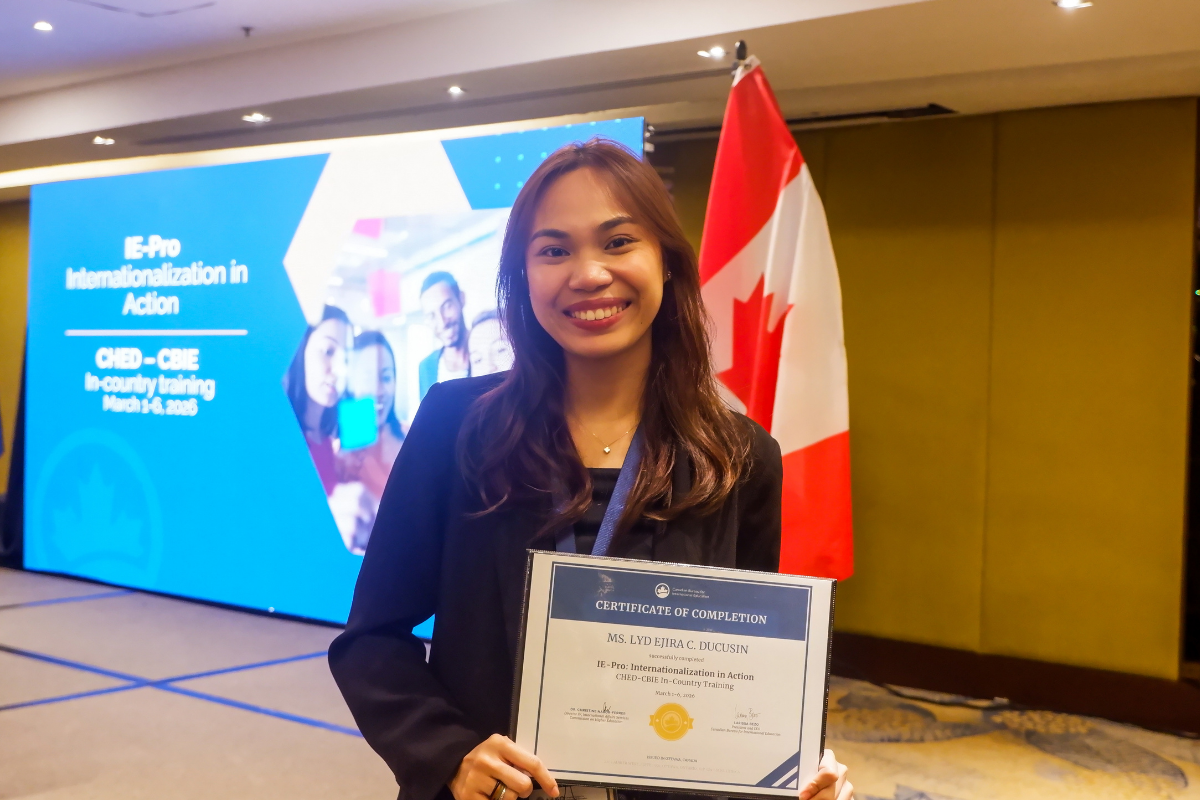
The University was represented by the Ateneo Internationalization for Mindanao (AIM) Office through Ms. Lyd Ejira C. Ducusin, Assistant Director and Senior-Level (Advanced) participant, together with Ms. Gillian Marie G. Porras, Program Officer for Internationalization Abroad, and Ms. Rikka Paula E. Comaingking, Program Officer for International Students, who both participated as Junior-Level (Beginner) participants.
CHED-CBIE Online and In-Person Training
The project is delivered through a blended learning format that combines online and in-person training activities, covering Fundamentals of International Education (Beginner) and Internationalization in Action (Advanced). The program was organized and facilitated by CBIE leaders and trainers, including Ms. Karen Dalkie, Vice President; Ms. Catherine Wilde, Director; Ms. Melissa Toupin-Laforge, Associate Director; Dr. Chelsey Laird; Dr. Sonja Knutson; and Dr. Yazrina Yahya. The CHED-IAS team was represented by officials and staff led by its Director-in-Charge, Dr. Christine Nabor-Ferrer.
The online training component of the CHED-CBIE project ran from 13 to 27 February 2026. The virtual sessions formed part of the IE-Pro training courses, a learning program designed to develop the professional competencies of international education practitioners in HEIs.
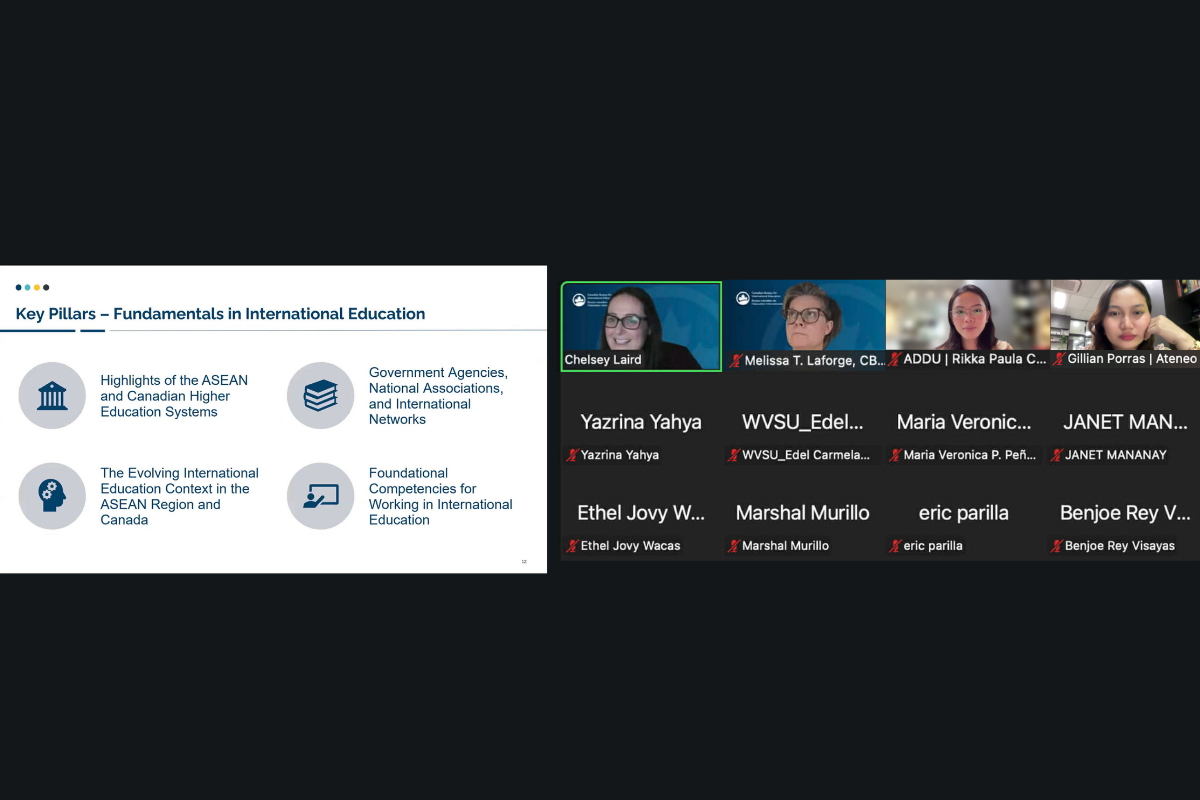
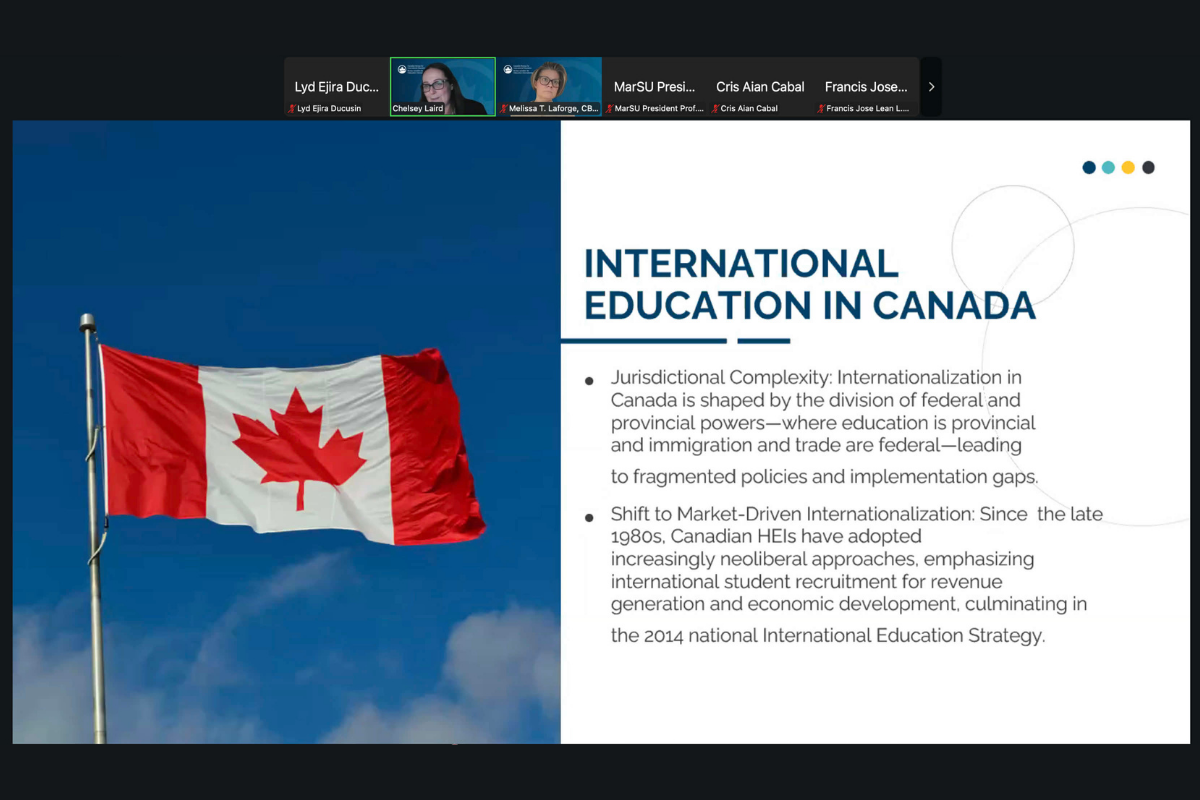
The methodology included independent learning modules complemented by synchronous virtual workshops. The sessions discussed the evolving international education landscape in ASEAN and Canada, including policy developments, mobility trends, and institutional cooperation. Foundational competencies for professionals working in international education were likewise realized, including intercultural communication, partnership development, and internationalization strategy.
Reflecting on the training experience, Ms. Porras noted that the program expands her operational understanding of internationalization.
“The program expanded my understanding of internationalization beyond operational work by emphasizing the leadership competencies required to navigate global collaboration. These competencies serve as essential guideposts for international officers and must be consciously practiced and internalized. Learning from CBIE’s best practices also reinforced the idea that effective internationalization is guided by intentional strategies aligned with the institution’s vision, mission, and goals, and strengthened through meaningful partnerships and intercultural engagement. These are principles that international education professionals and advocates must continuously cultivate in their work,” she said.
Ms. Comaingking also shared that the sessions deepened her understanding of international student engagement and program coordination.
“As someone who manages international students, participating in the CBIE training reinforced the value of effective program coordination–ensuring that activities, communication, and services are responsive to students’ diverse cultural and academic needs. It also highlights how international student engagement contributes to the institution’s internationalization efforts by encouraging intercultural exchange, strengthening global partnerships, and cultivating a more globally connected campus community. As an international officer, this training also reminds me that the profession of international education requires continuous learning, cultural sensitivity, and active collaboration in creating initiatives that benefit not only international students but also the broader academic community,” she expressed.
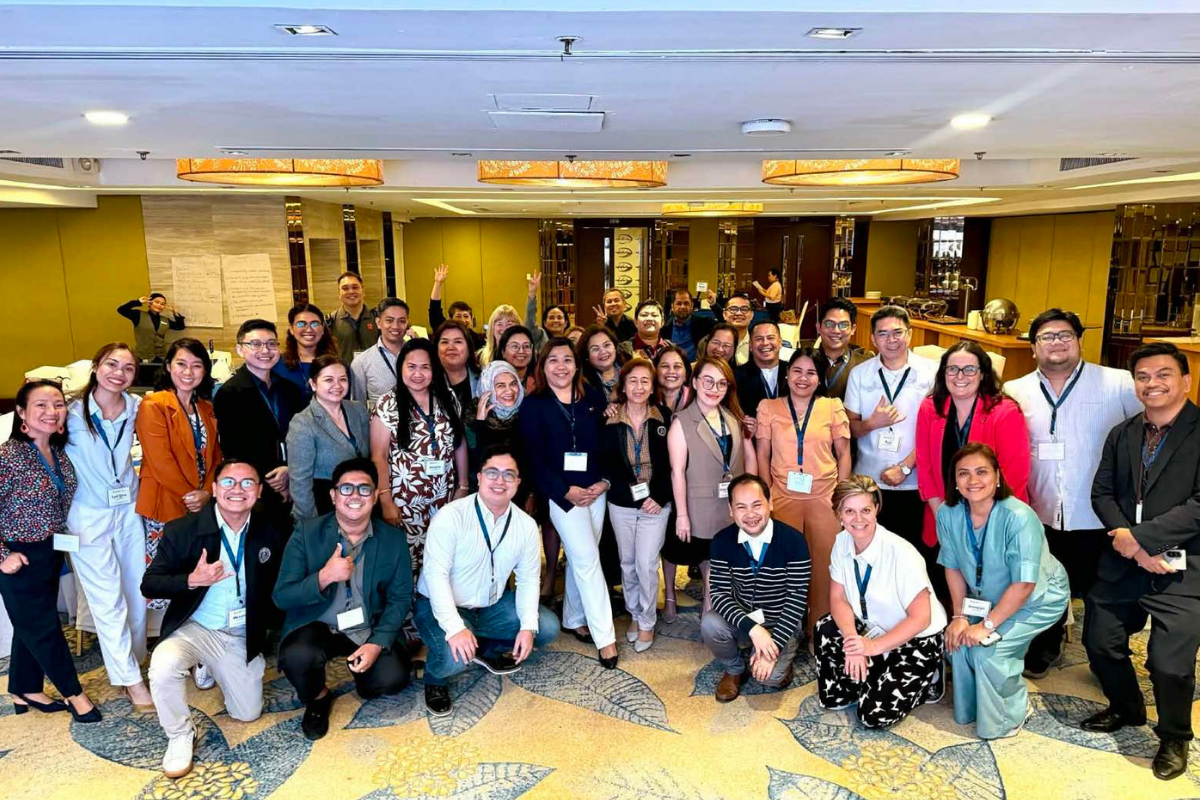
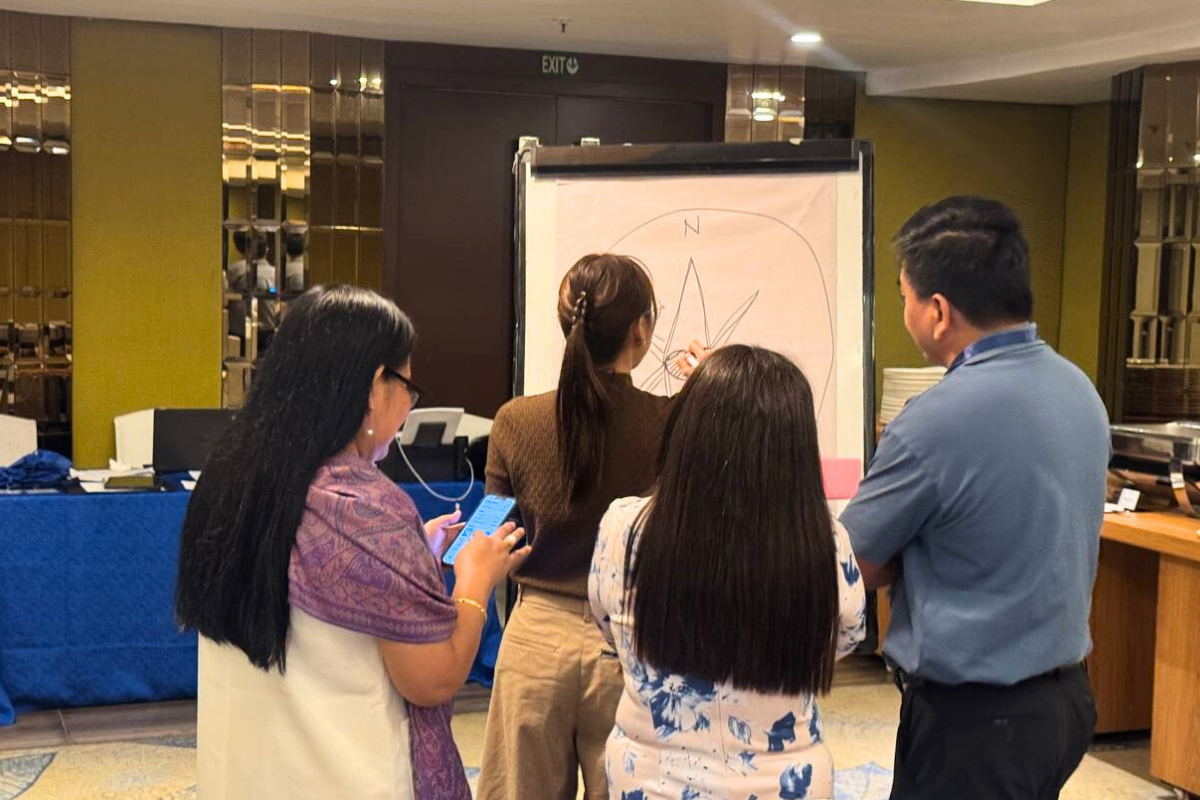
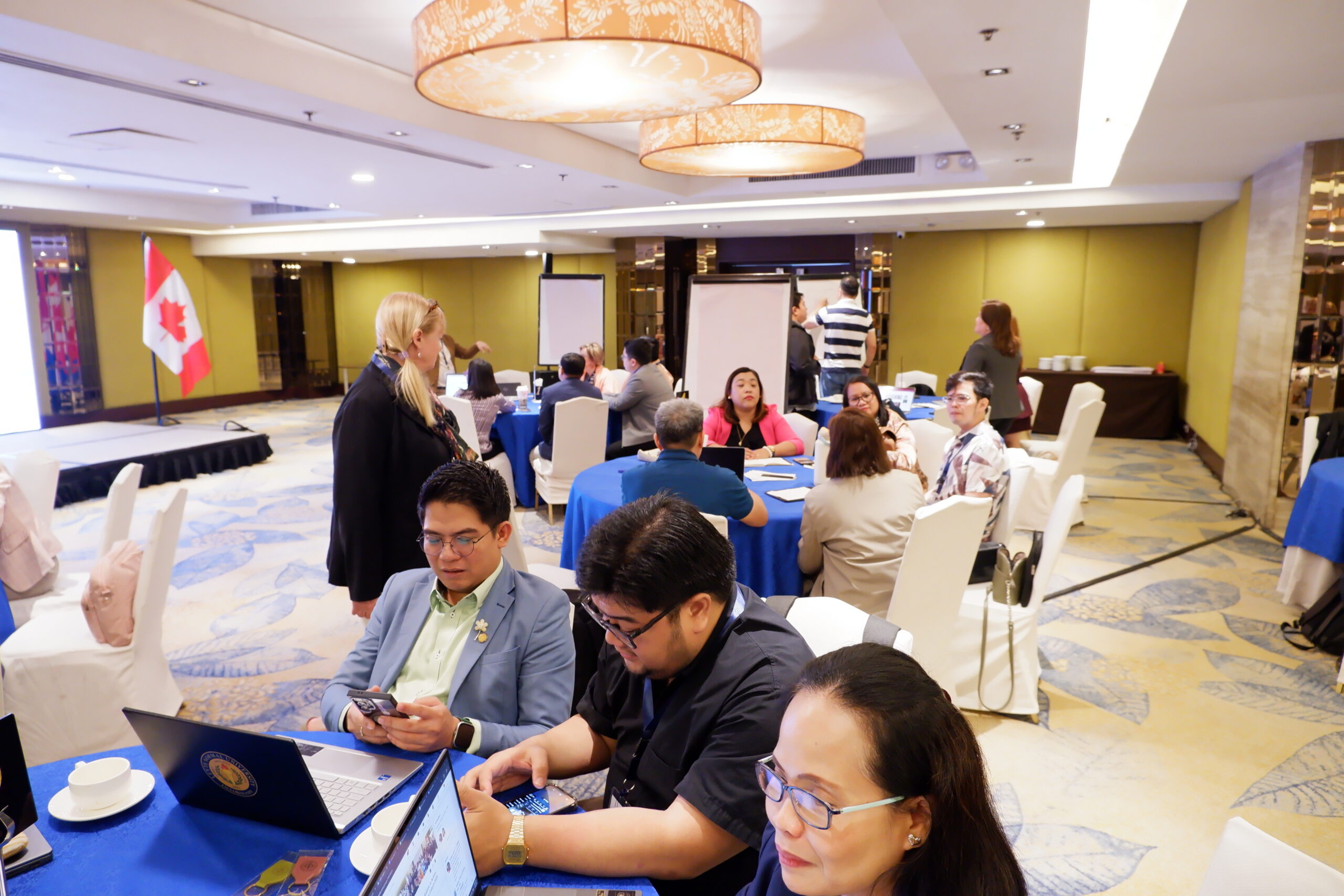
From 1 to 6 March 2026, the training moved beyond purely technical discussions of internationalization and invited senior-level participants to examine it as a matter of leadership, institutional direction, and mission. Participants spent the week in dialogue, thematic workshops, and collaborative sessions at The Bayleaf Hotel in Intramuros, Manila.
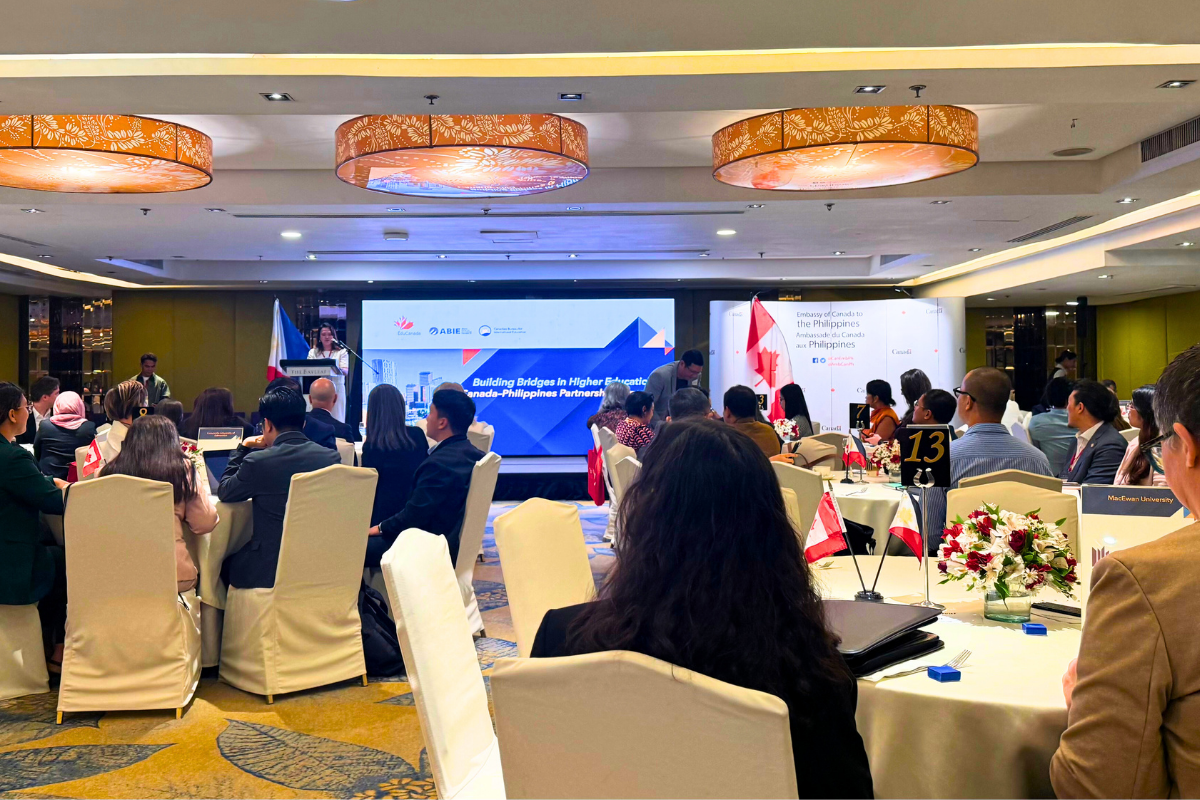
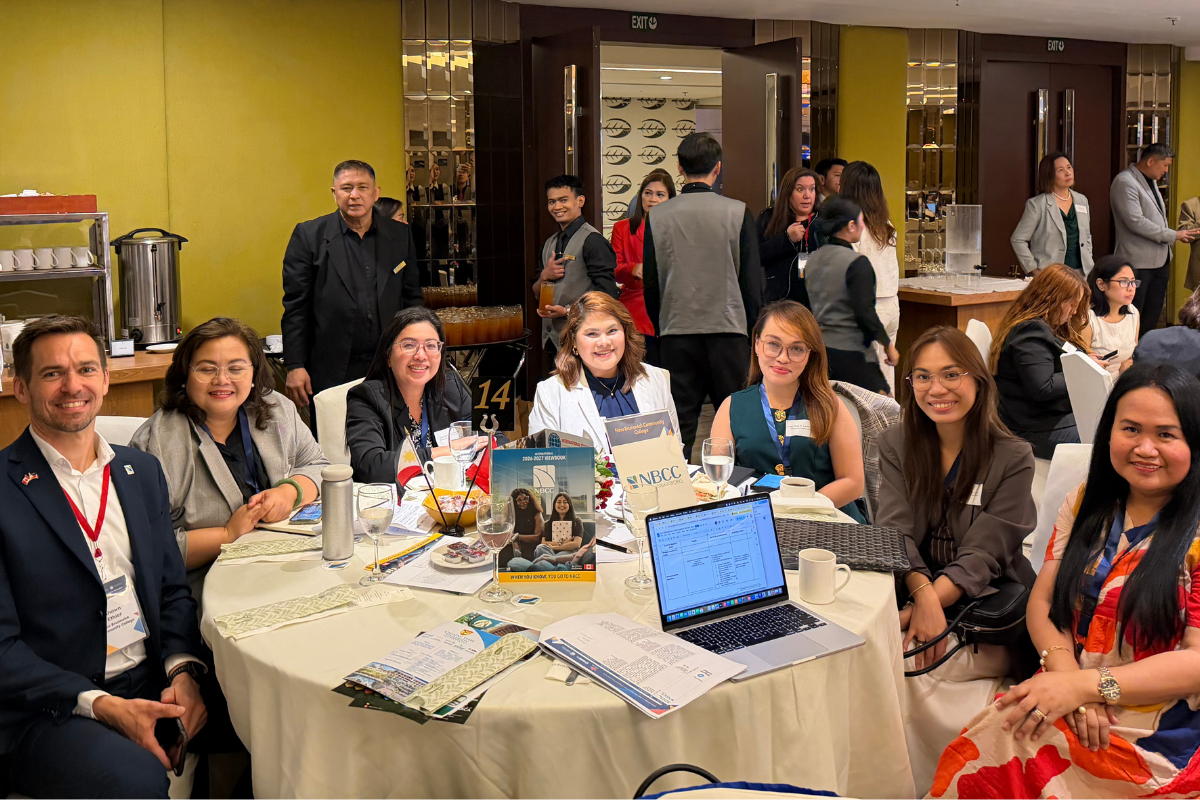
Another highlight of the week was the “Building Bridges in Higher Education: Canada-Philippines Partnership Forum” held on 2 March 2026. The forum was co-organized by the Embassy of Canada to the Philippines through the Trade Commissioner Service, the Alberta Bureau for International Education, and the CBIE.
Presentations and fireside chats shared perspectives on policy directions and emerging opportunities for collaboration across transnational education, micro-credentials, and innovation-driven research ecosystems, with speakers from CHED, the Embassy of Canada to the Philippines, the Technical Education and Skills Development Authority (TESDA), and the Department of Science and Technology (DOST). The forum also scheduled networking sessions where ADDU met with representatives from Canadian institutions to explore opportunities for partnerships and reconnect with those with ongoing engagements with the University.
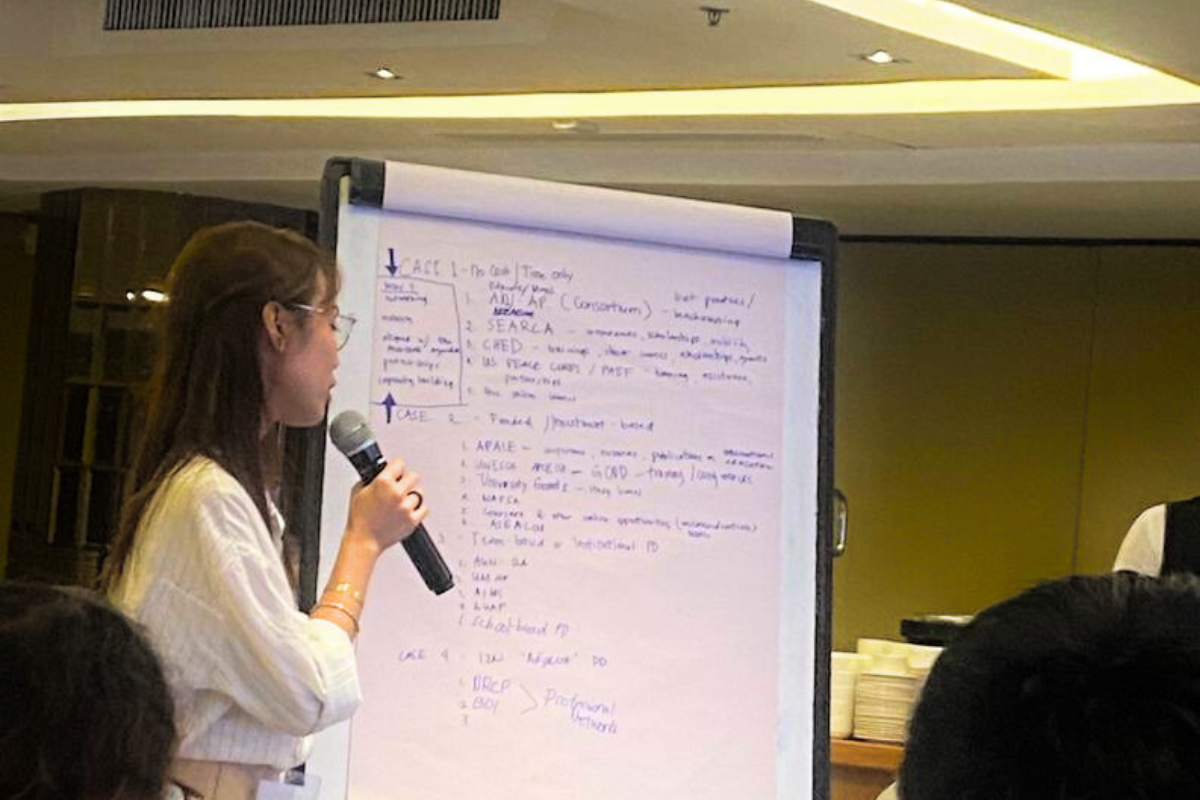
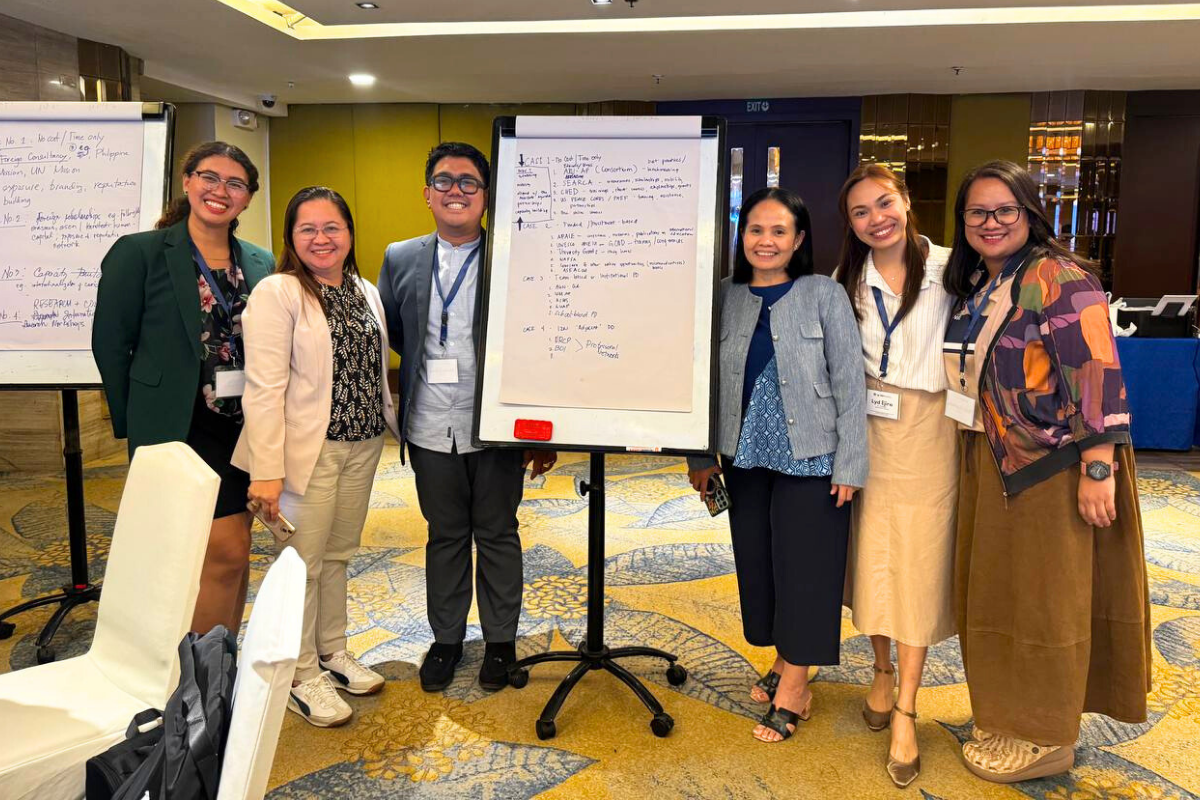
The training sessions that followed the partnership forum shifted the focus toward how internationalization can be implemented more intentionally within their institutions. These workshops gave significant attention to strategies for building and sustaining international linkages, as well as the knowledge, skills, and mindset required for internationalization. Discussions revolved around leadership competencies, professional identity, and the role of sustained professional development through mentoring, communities of practice, and collaborative reflection.
By the end of the week, participants gained not only frameworks and concepts but also a clearer challenge: to think more intentionally about how strategic partnerships can support institutional commitments and how their impact can be assessed.
From Reflection to Action
ADDU approaches internationalization as a shared mission. It means initiating partnerships that allow us to learn with and from others while keeping global linkages responsive to local realities and communities we serve in Mindanao.
“One of the important reminders that stayed with us during the week was the question of the ‘why’ of internationalization. The sessions invited us to move beyond viewing internationalization as an end in itself and to discern who it truly serves. For ADDU and its AIM Office, it is making sure our global partnerships realize the University’s transformative mission of forming persons for others committed to the common good, while recognizing that our work connects us to a wider community striving to build a world of global citizens in solidarity and working for social justice,” Ms. Ducusin said.
More importantly, these reflections point to how internationalization can be defined in practice, one that requires both vision and collaboration. The insights achieved from the training are expected to contribute to the University, such as strengthening partnership frameworks with international institutions and universities, refining mobility program guidelines, improving coordination between academic units and the international office, and clarifying strategies for international collaboration.