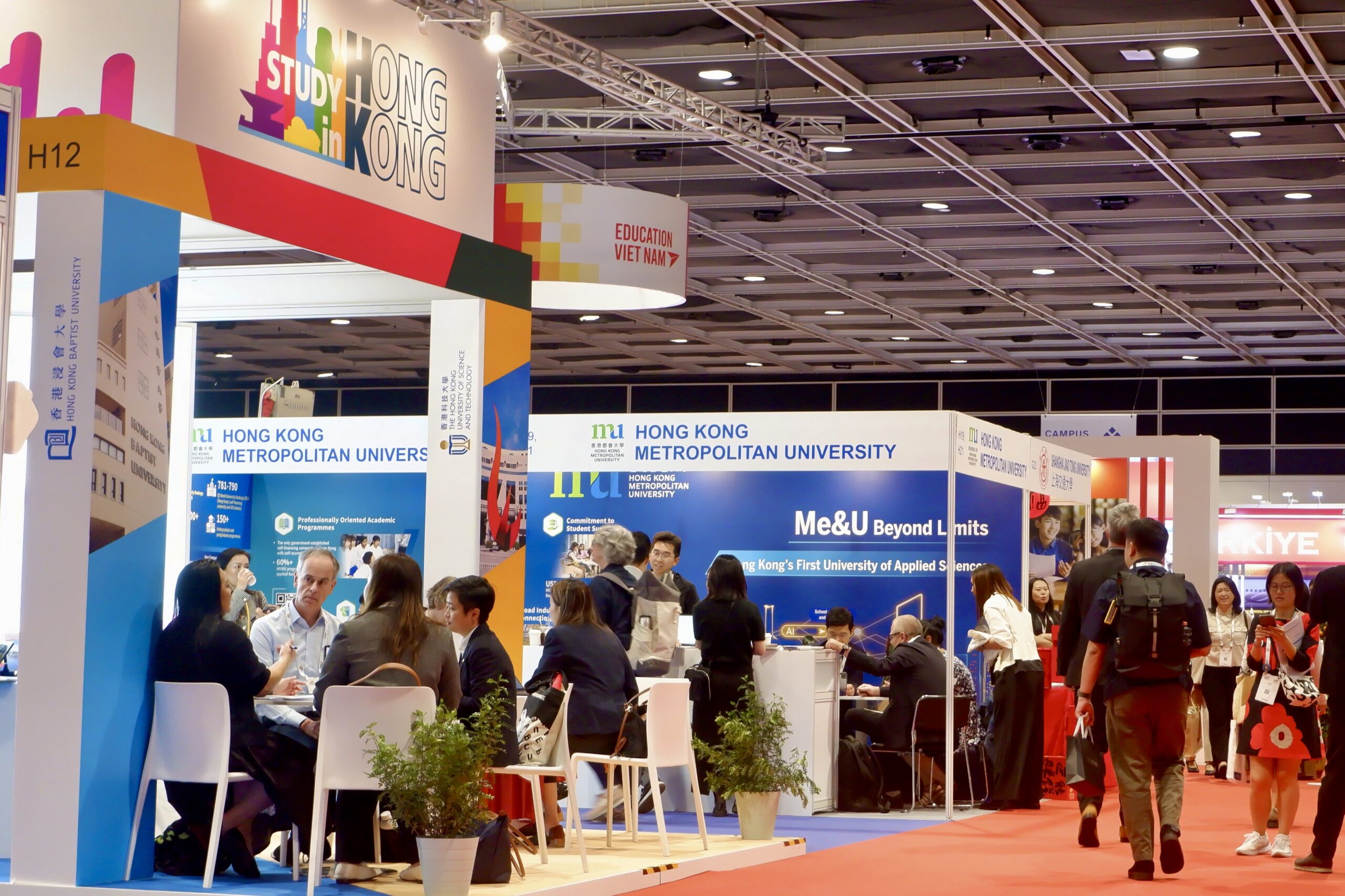
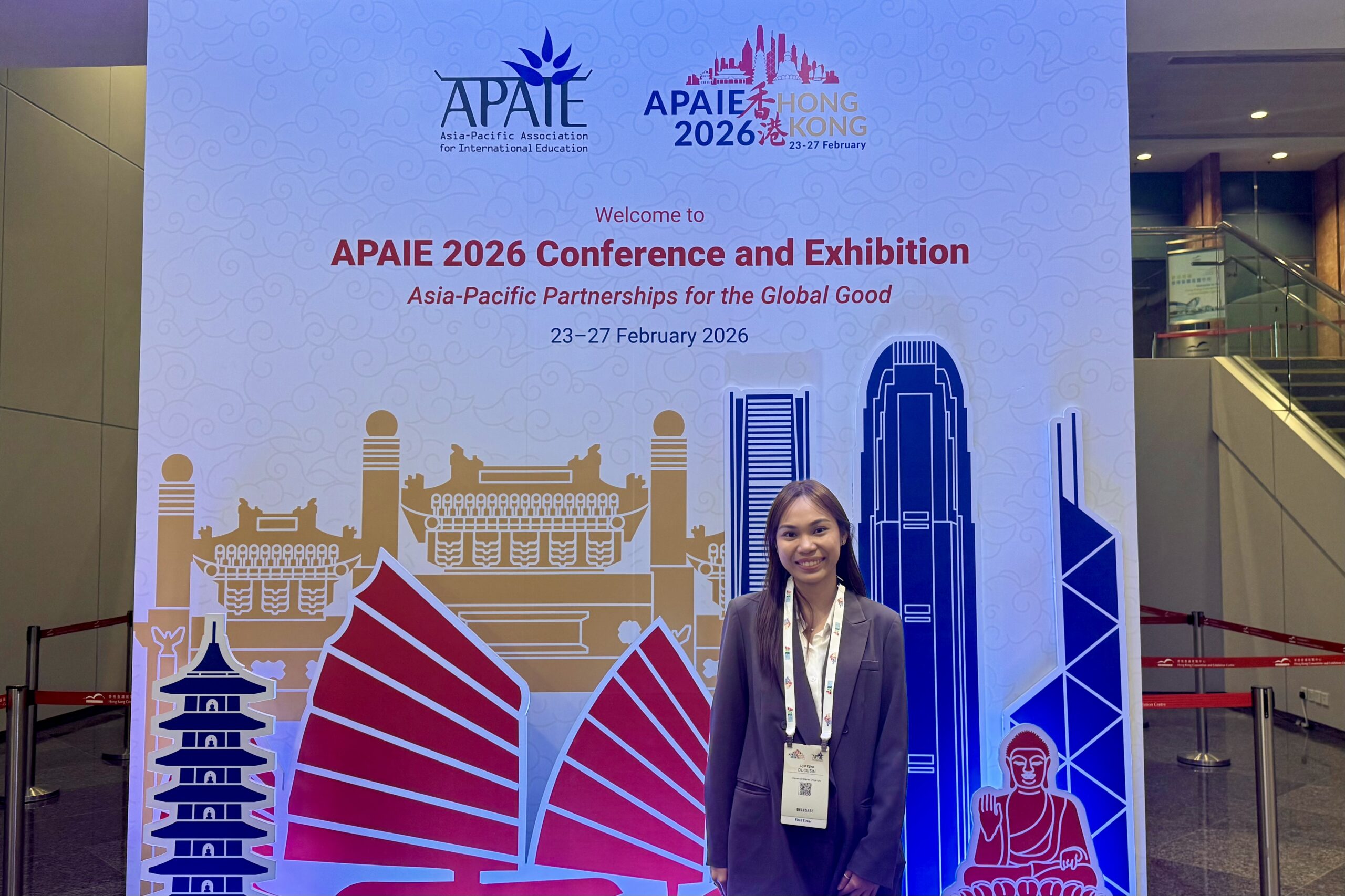
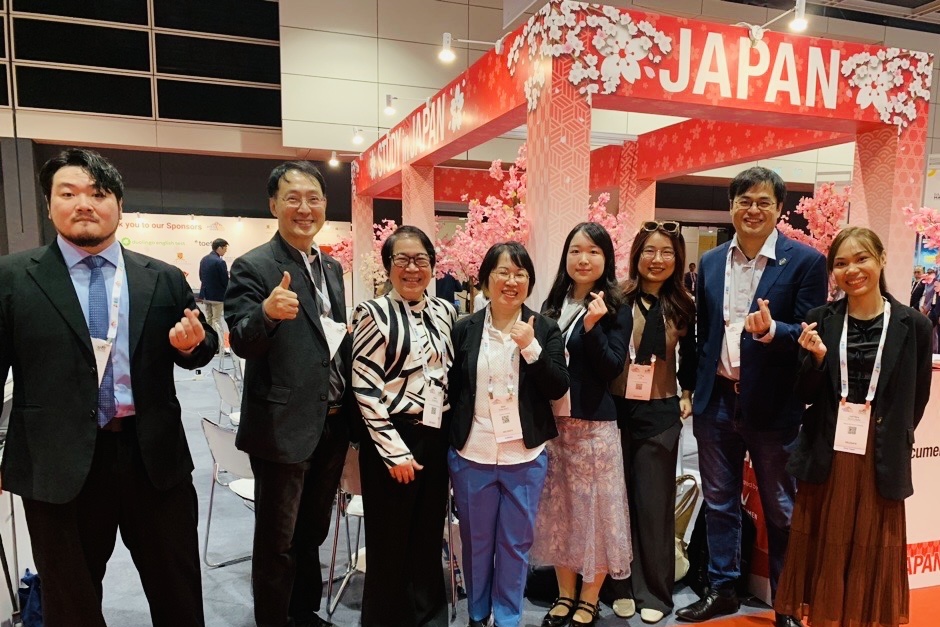
The Ateneo de Davao University (ADDU) attended the Asia-Pacific Association for International Education (APAIE) 2026 Annual Conference and Exhibition, held at the Hong Kong Convention and Exhibition Centre from 23 to 27 February 2026.
With the theme “Asia-Pacific Partnerships for the Global Good,” APAIE convened member institutions, higher education leaders, and international officers through plenary sessions, thematic discussions, and exhibitions that address partnership models, mobility frameworks, and institutional strategies in internationalization. Participation allowed the University to engage with both current and prospective partners, exchange practical approaches in international education, and identify collaboration opportunities that can support increased student and faculty mobility and strategic partnerships. Representing ADDU, Ms. Lyd Ejira C. Ducusin, Assistant Director of the Ateneo Internationalization for Mindanao (AIM) Office, joined more than 3,500 delegates in a week of dialogue, exchange, and collaboration.
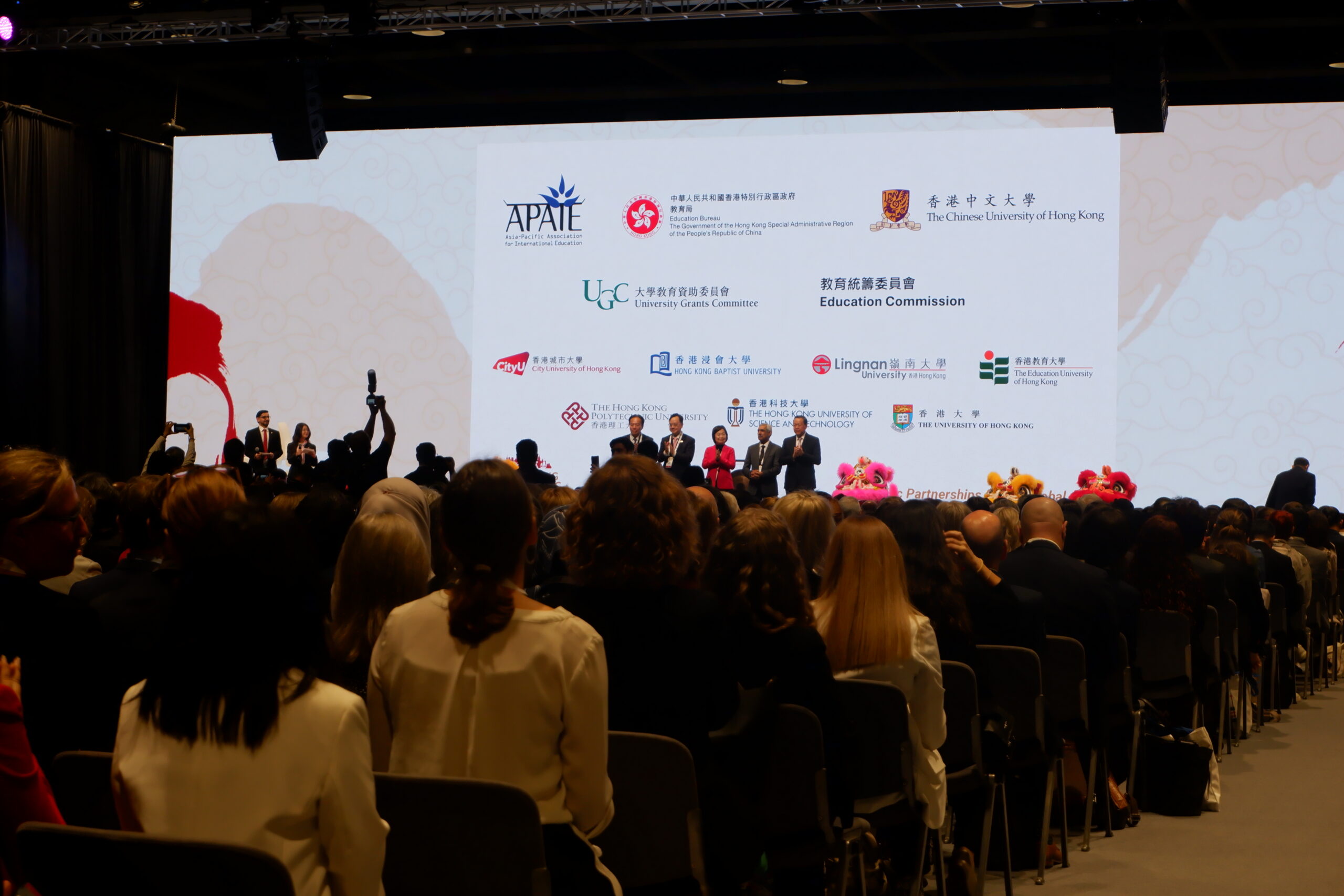
The opening ceremony set the tone by raising a guiding question: How do we build partnerships for the global good? In his address, Prof. Venky Shankararaman, President of APAIE from Singapore Management University, emphasized three key ideas: interdependence, harmony, and universal responsibility. These ideas framed partnerships as shared work shaped by mutual accountability and a deeper sense of purpose across institutions and regions.
Participation in APAIE also opened opportunities for direct engagement with both existing and potential partners. Meetings with universities and organizations across Asia-Pacific, North America, and Europe explored possible collaborations in student and faculty mobility through exchange programs, study abroad, and short-term initiatives, as well as international faculty engagement through visiting professorships, guest lectures, and collaborative teaching. Discussions also covered Transnational Higher Education, such as dual degrees and top-up programs, alongside Collaborative Online International Learning (COIL) and other forms of virtual academic exchange. In addition, conversations included research and project partnerships aligned with peacebuilding, sustainability, social innovation, and global citizenship, as well as opportunities to host international delegations and study visits and to participate more actively in regional and global higher education networks.
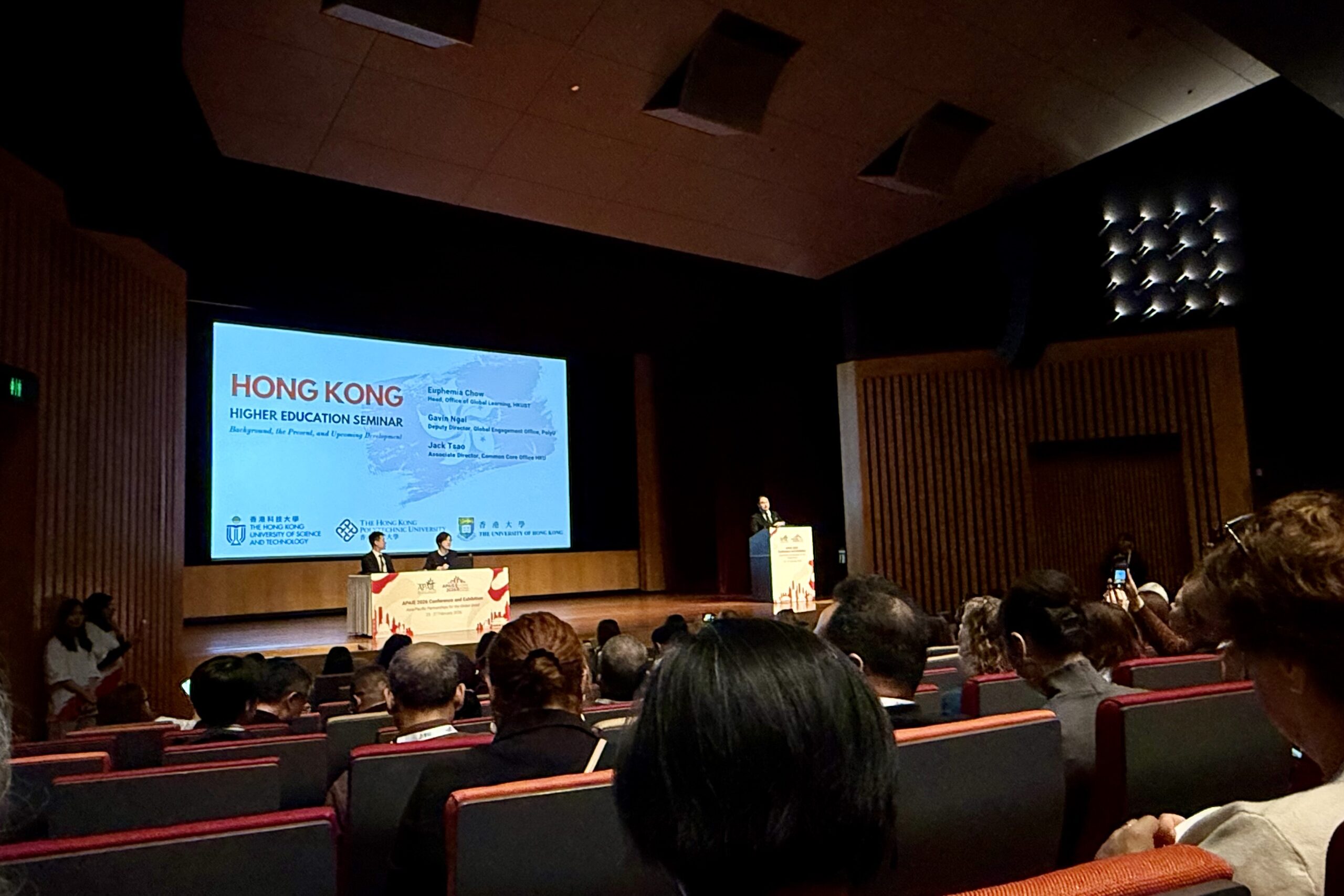
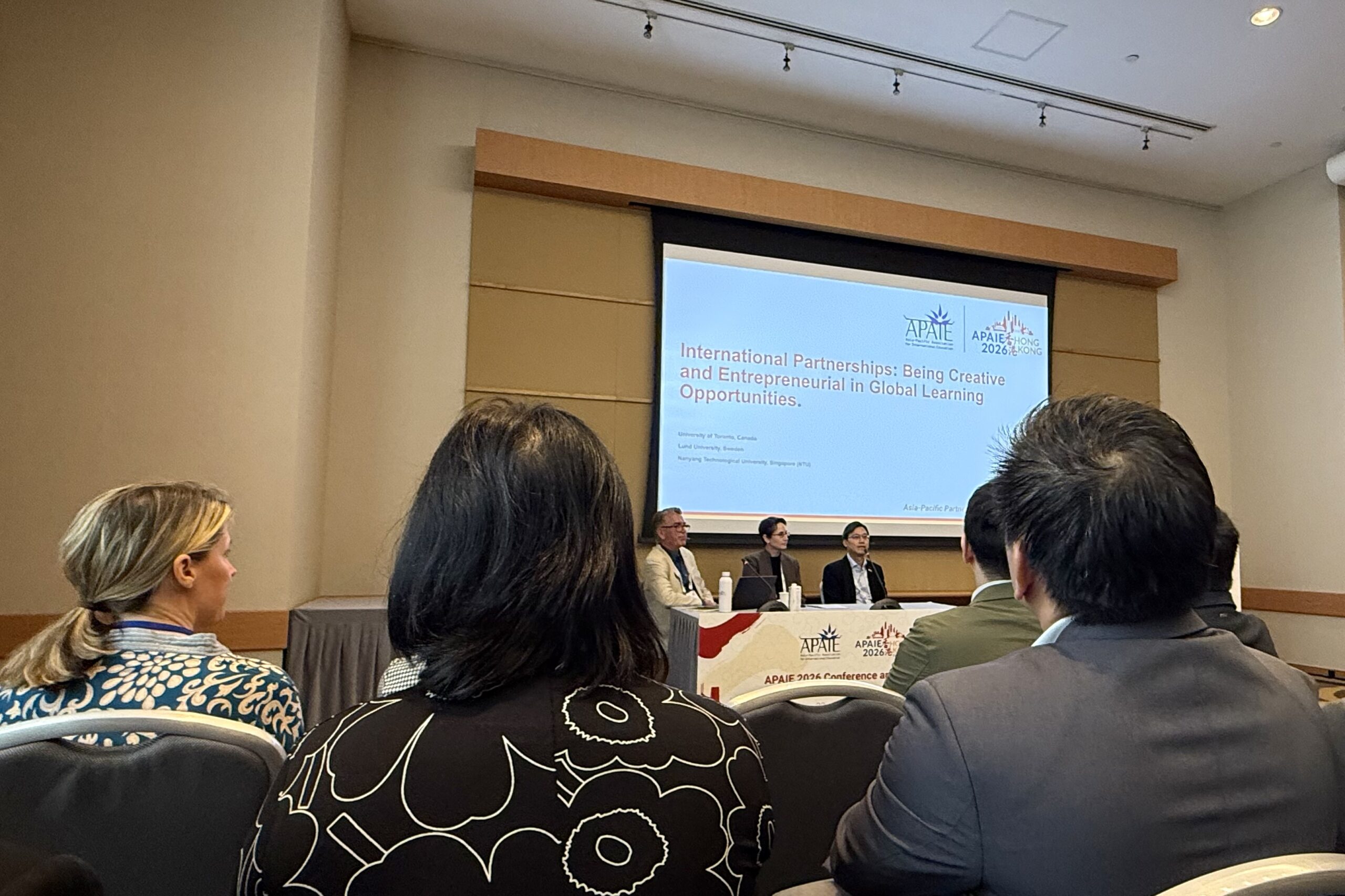
Beyond networking, Ms. Ducusin also participated in concurrent sessions for capacity building. These sessions explored practical and emerging areas in international education, including cross-cultural competencies for students, data-informed approaches to international student welfare, and the design of micro-credentials grounded in evidence and application. Sessions on international partnerships examined creative approaches to global learning and collaboration models across regions.
Further discussions looked at how institutions respond to present-day challenges. Topics included interdisciplinary approaches to global study tours, the integration of sustainability in higher education, and the role of universities in addressing global issues through collaborative models. Conversations also covered student mobility, inclusive internationalization strategies, and new directions shaped by digital tools and artificial intelligence.
Alongside the conference activities, the event also provided an opportunity to reconnect within the Jesuit higher education network. Members of the Association of Jesuit Colleges and Universities in Asia Pacific (AJCU-AP) came together for a dinner hosted on behalf of Fr. John Tang, Warden of Ricci Hall, offering a space for conversation and renewed collaboration among partner institutions.
As the University strengthens its partnerships and programs, it carries forward insights from both dialogue and practice to guide future initiatives in internationalization. As APAIE 2026 concludes, the experience points toward partnerships that are not only global in reach but also meaningful in impact.