
The Ateneo de Davao University (ADDU), through the Ateneo Internationalization for Mindanao (AIM) Office and the Department of Theology, hosted Fr. Felix Körner, SJ and Mr. Muhammed Mansur Doğan of the Central Institute for Catholic Theology (IKT), Humboldt University of Berlin, Germany, for a two-week academic visit from 30 August to 13 September 2026.
Welcoming the Visiting Lecturers
Fr. Körner is a German Jesuit priest and scholar whose work focuses on Islam, interreligious dialogue, and Christian-Muslim relations. He previously lived in Ankara, Turkey, and taught Dogmatic Theology and the Theology of Interreligious Dialogue at the Pontifical Gregorian University in Rome. Since 2021, he has served as Professor of Theology in Berlin and holds the Nicolas of Cusa Chair at the Institute of Catholic Theology of Humboldt University. His teaching and publications engage questions of Catholic faith, intra-Christian dialogue, Muslim-Christian relations, and the relationship between religion and politics. He is also a long-standing friend of Ateneo de Davao University and has visited the University on several previous occasions.
Mr. Doğan is an Islamic theologian and sociologist at Humboldt University of Berlin and a research associate at the Central Institute for Catholic Theology (IKT), where he is affiliated with the Nicolas of Cusa Chair for the Theology of Religions. His academic work focuses on ethics, interfaith marriage, and interreligious relations and dialogue. He also explores how practices of discernment, including those associated with the Ignatian tradition, may be understood within interreligious and inter-theological contexts.
Courtesy Meetings, Campus Visits, and Cultural Tours
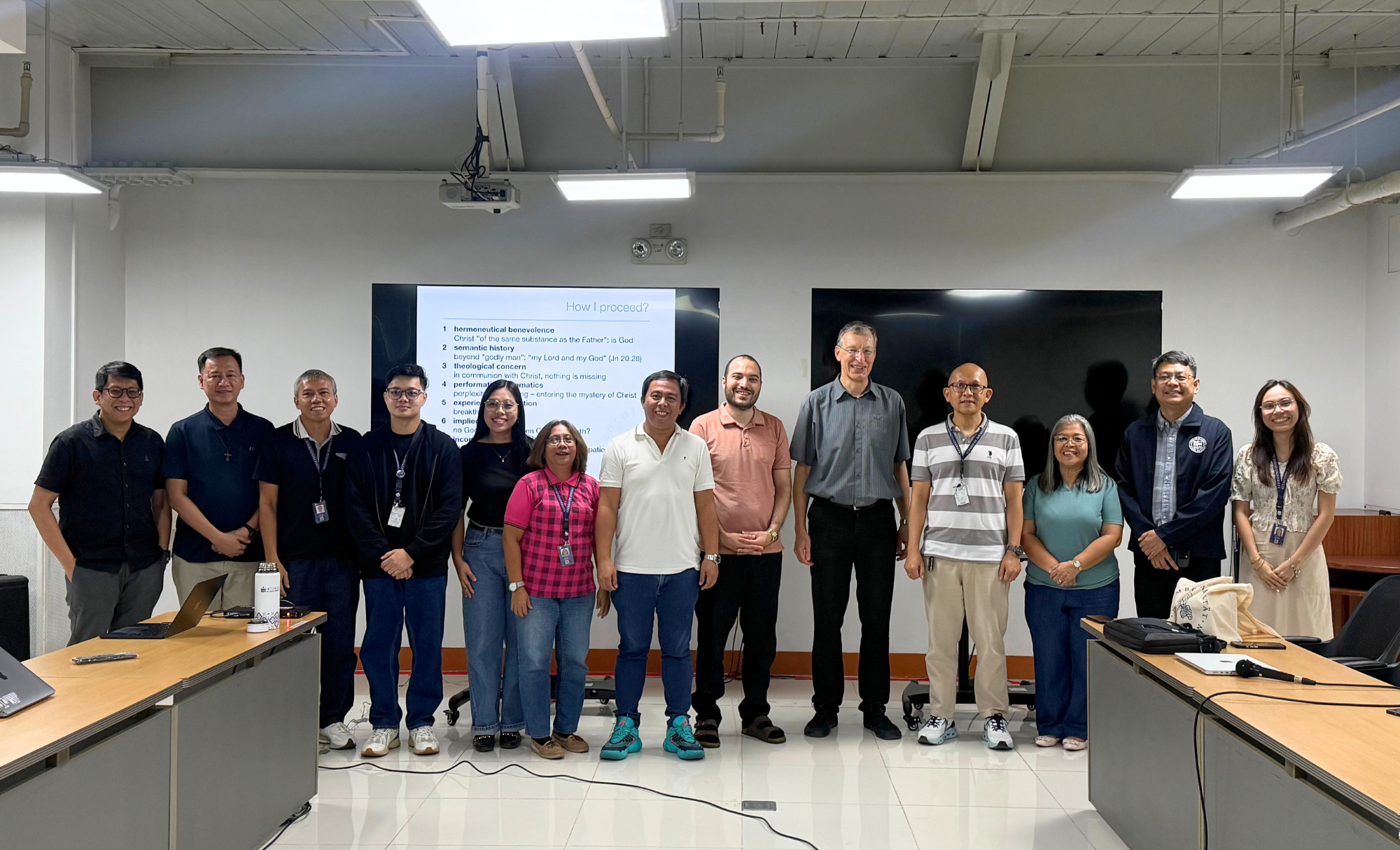
On 1 September 2026, Fr. Körner and Mr. Doğan had a courtesy visit to Dr. Renante D. Pilapil, Vice President for Higher Education. Fr. Körner then joined faculty members of the Department of Theology for a focused session on approaches and methods in systematic theology.
They also met with Dr. Nelly Z. Limbadan, Dean of the School of Arts and Sciences, to discuss research collaboration and the development of scholarly outputs from the visit for publication in University journals, and with Mr. Kenny Lloyd L. Angon, Assistant Director of the Al Qalam Institute for Islamic Identities and Dialogue in Southeast Asia, and Scl. Sultan U. Ubpon, Chairperson of the Department of Islamic Studies, for an exchange on Muslim-Christian dialogue, Islamic studies, and future academic engagement.
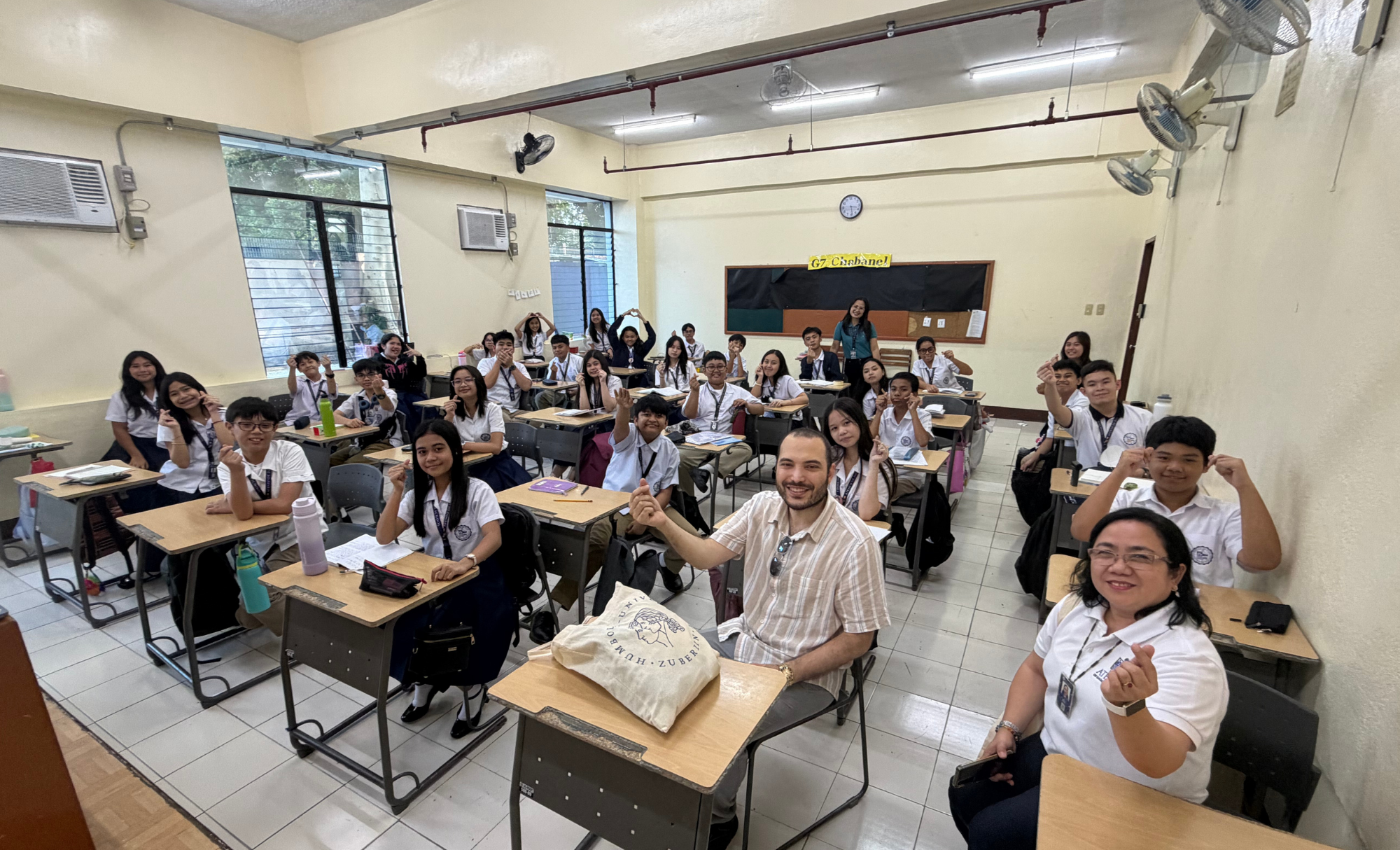
Their itinerary also included cultural and campus visits, among them the University’s Basic Education campuses in Matina and Bangkal and the National Museum of the Philippines in Davao.
Thinking Faith Through Theology
Across lectures, theological conversations, fora, and encounters with students and faculty, the academic visit opened space for reflection on questions deeply relevant to Mindanao and the wider world: How can people of different faiths better understand one another? What happens when religious traditions meet within families and communities? How can theology respond to injustice, social change, and artificial intelligence? And how can faith be examined critically while remaining grounded in lived experience?
On 2 September 2026, the University held a Theological Forum at the 11/F Calungsod-San Vitores Jesuit-Lay Collaboration Center, Community Center of the First Companions.
With the topic “Why Study Theology? The Sense of Thinking Faith,” the forum invited participants to consider theology not simply as an academic discipline, but as a way of examining faith through prayer, reflection, experience, history, and engagement with the world.
In the opening message, Dr. Roawie L. Quimba, Chairperson of the Department of Theology, welcomed the visiting lecturers and participants and set the tone for the discussion by inviting the community to reflect on why theology continues to matter in contemporary life.
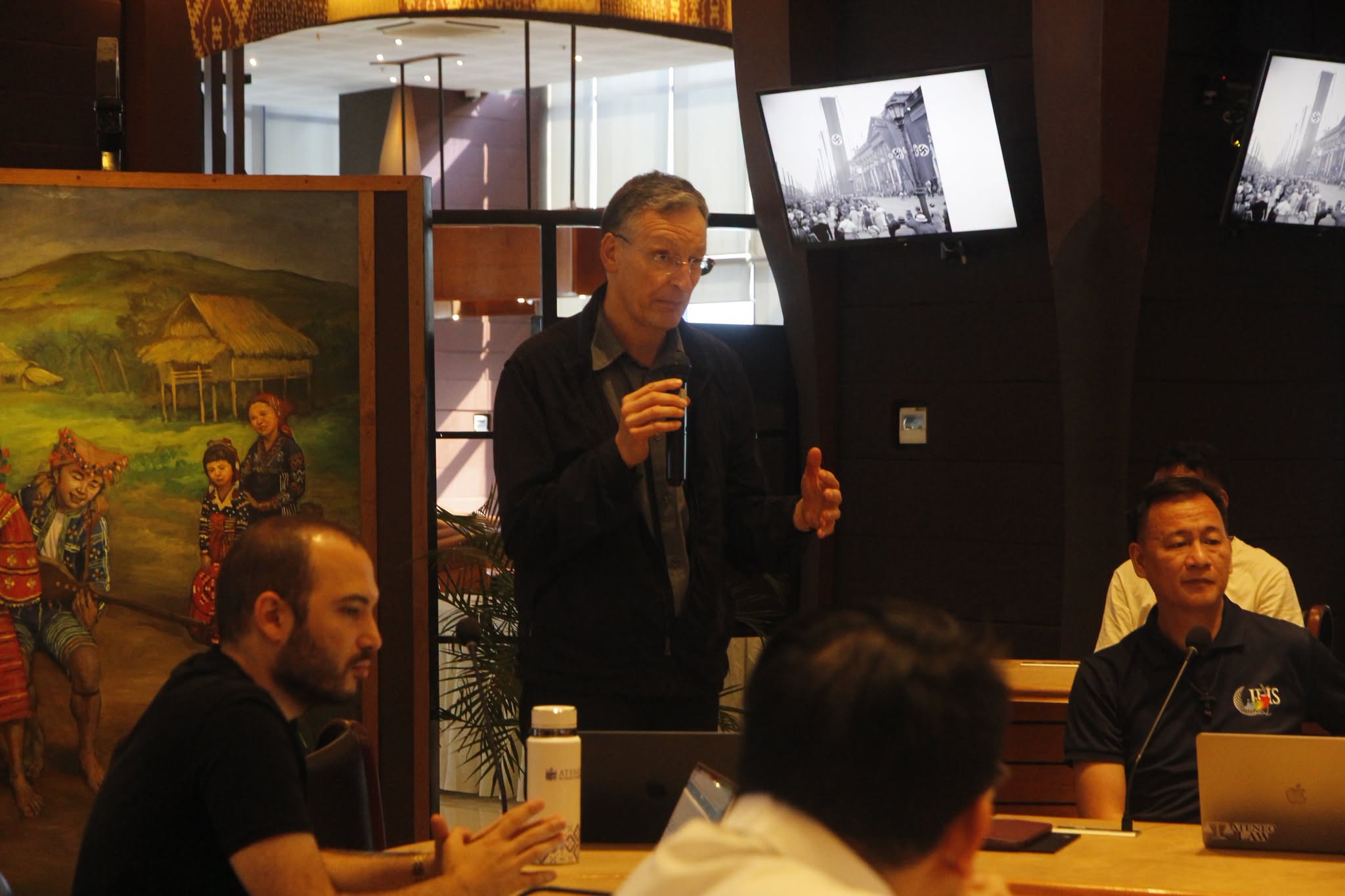
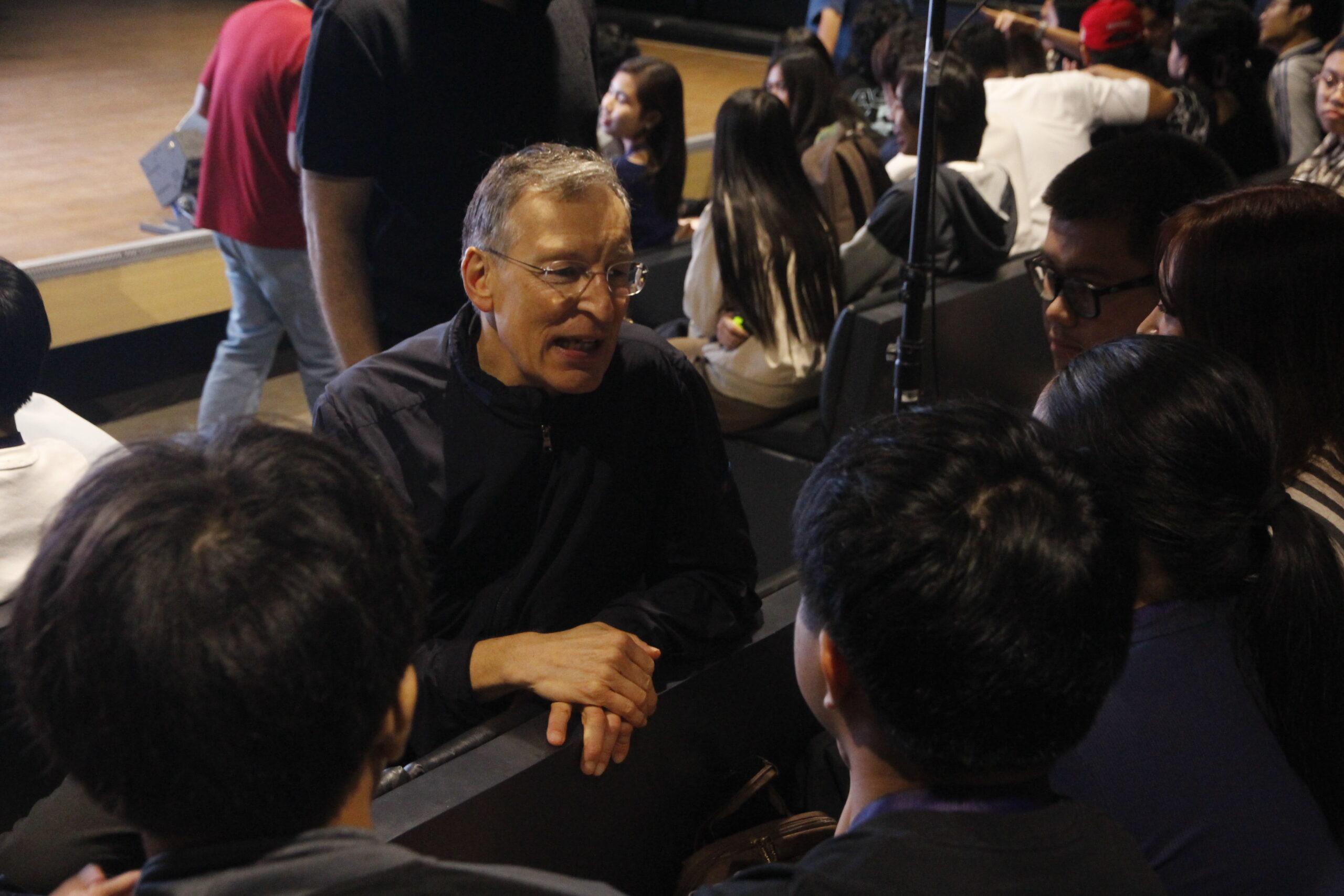
In his presentation, Fr. Körner reflected on the different ways faith may be thought through, prayed through, contemplated, and lived. He drew from the life of Fr. Alfred Delp, SJ, a German Jesuit who was executed in 1945 after resisting the Nazi regime. Fr. Delp’s life became a point of reflection on faith under pressure, human dignity, trust, and the pursuit of a more just and humane society.
Mr. Doğan also offered insights from his work as both a sociologist and theologian, particularly on ethics and relationships across religious traditions.
The conversation continued with reflections from ADDU Theology faculty members. Mr. Danilo S. Agustin Jr. reflected on the idea of “dangerous memory,” calling attention to the responsibility to remember those who resisted injustice and whose sacrifices continue to challenge succeeding generations. Mr. Niel John G. Capidos spoke of faith as fundamentally dialogical and connected this understanding to the continuing work of peacebuilding and reconciliation in Mindanao.
Ms. Marlina T. Dayrit closed the session by inviting participants to carry Christian hope into contemporary realities and recalling the call to build peace through justice and love.
The forum placed theological reflection alongside history, interreligious dialogue, and lived social realities. It invited students and educators to consider how remembering the past can shape present responses to injustice, reconciliation, and peace.
Faith, Family, and Interreligious Encounters
The discussions then turned to one of the most personal spaces in which different religious traditions meet: the family.
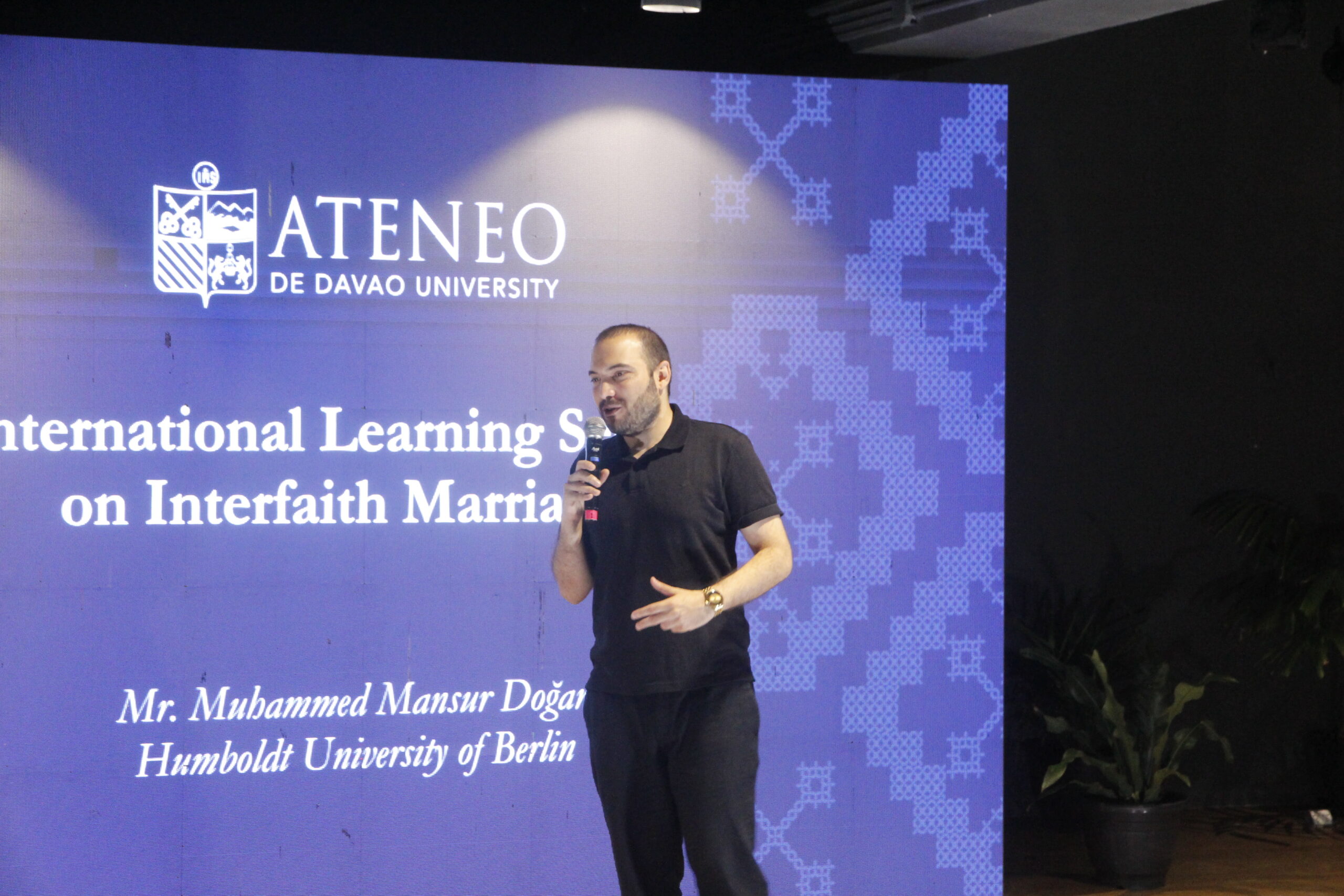
On 4 September 2026, Mr. Doğan delivered a lecture at the Bapa Benny Tudtud Auditorium on “Interfaith Marriages.” The discussion explored questions of religious identity, practice, ethical responsibility, and mutual understanding. He drew from verses of the Qur’an and Islamic perspectives on marriage and relationships across religious communities. The lecture brought theological questions into the everyday realities of relationships, families, and communities.
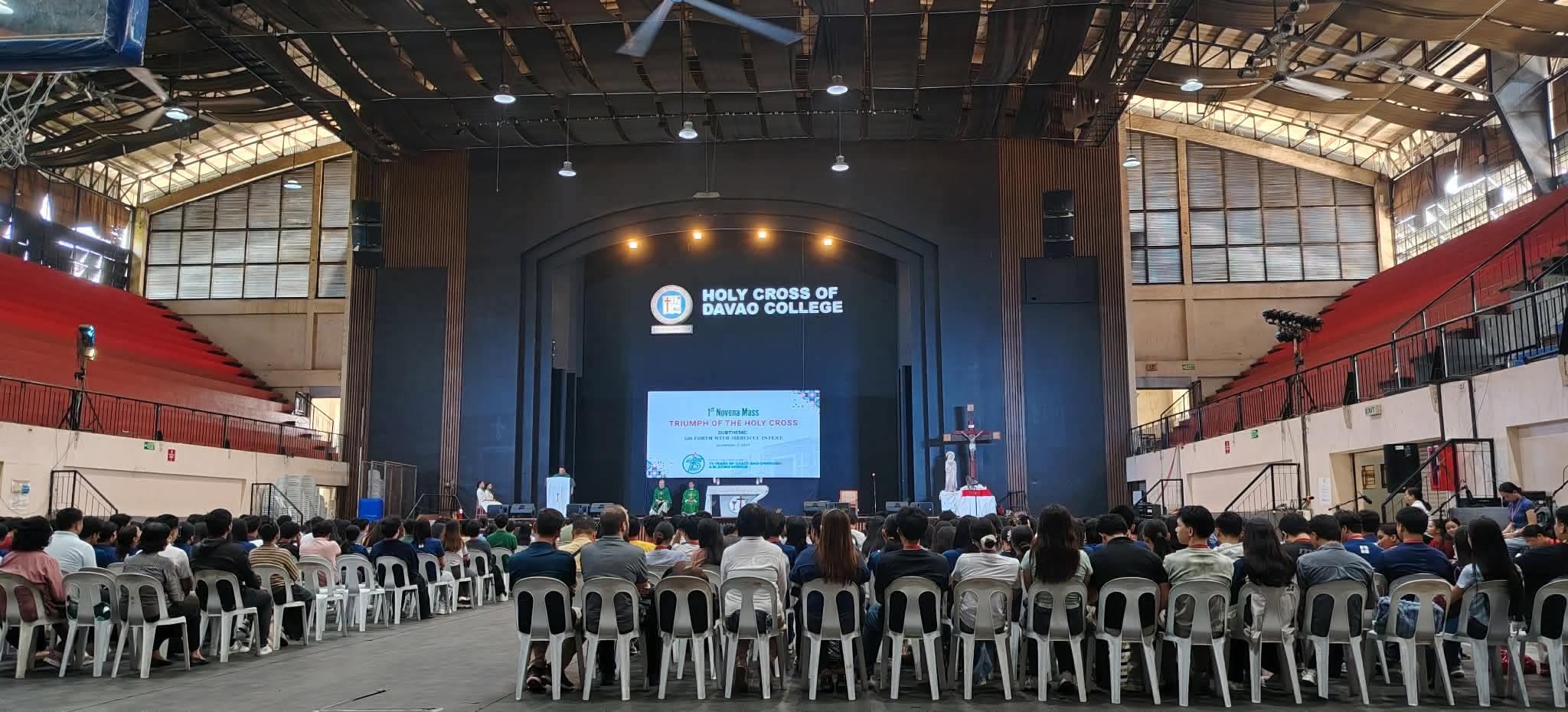
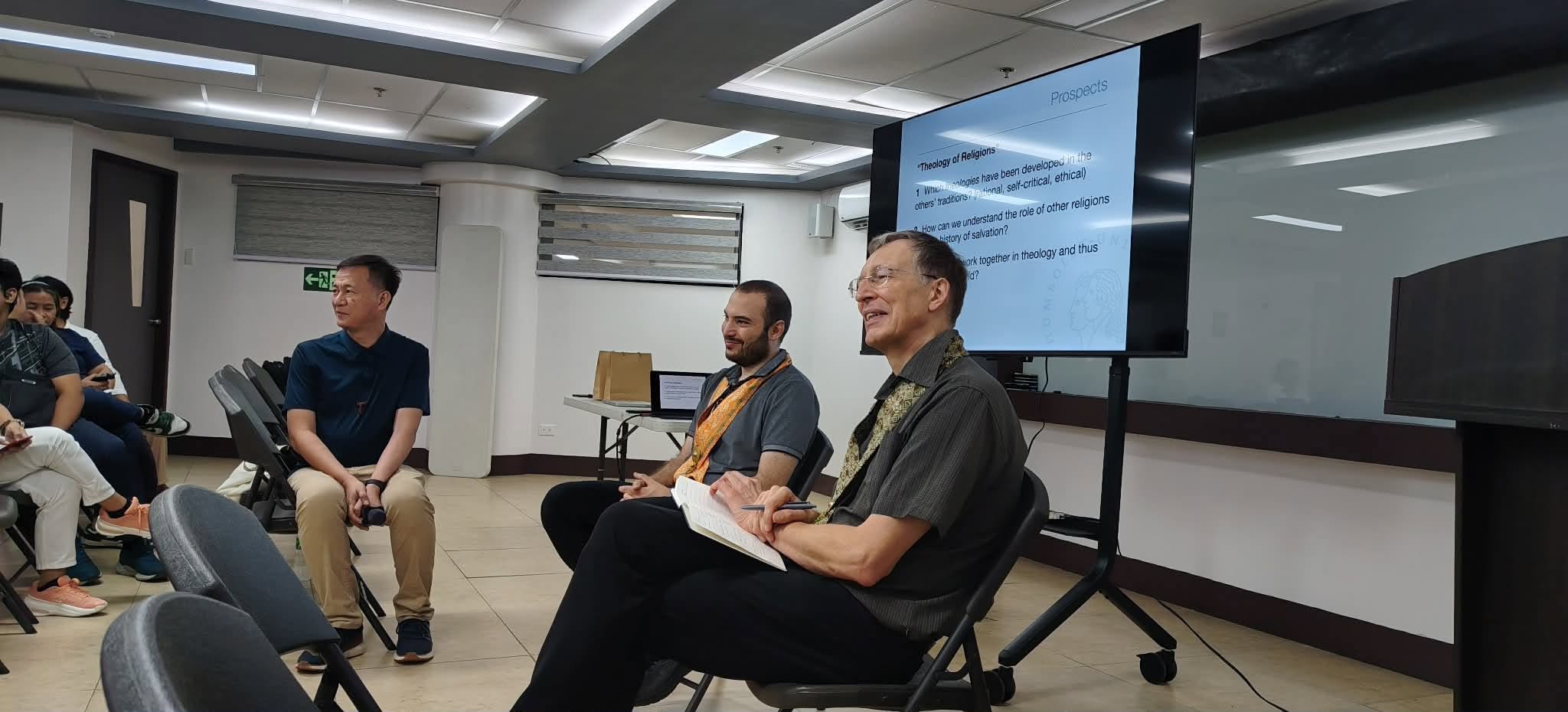
The following day, 5 September 2026, the Ignatian Institute of Religious Education Foundation, Inc. (IIREF), together with the ADDU Department of Theology and in partnership with the AIM Office, convened a theological conversation at Holy Cross of Davao College on “Interfaith Dialogue: New Principles, Problems, and Prospects.”
The visiting lecturers explored how religious traditions understand one another, how Christians may think about other religions within God’s history of salvation, and how people of different faiths can work together in theological reflection and in responding to shared social concerns.
Rather than presenting dialogue as the simple avoidance of disagreement, the conversation also addressed its complexities. Participants were invited to reflect on questions of faith, identity, difference, truth, and shared responsibility, as well as on the possibilities that emerge when communities approach these differences through serious listening and theological reflection.
The second week of the academic engagements formed part of the University’s Theology Days, during which Fr. Körner and Mr. Doğan led special lectures that served as alternative class sessions.
Pakighinabi (Conversations) on “Preserved and Precious: Rethinking the Human Person in the Age of AI”
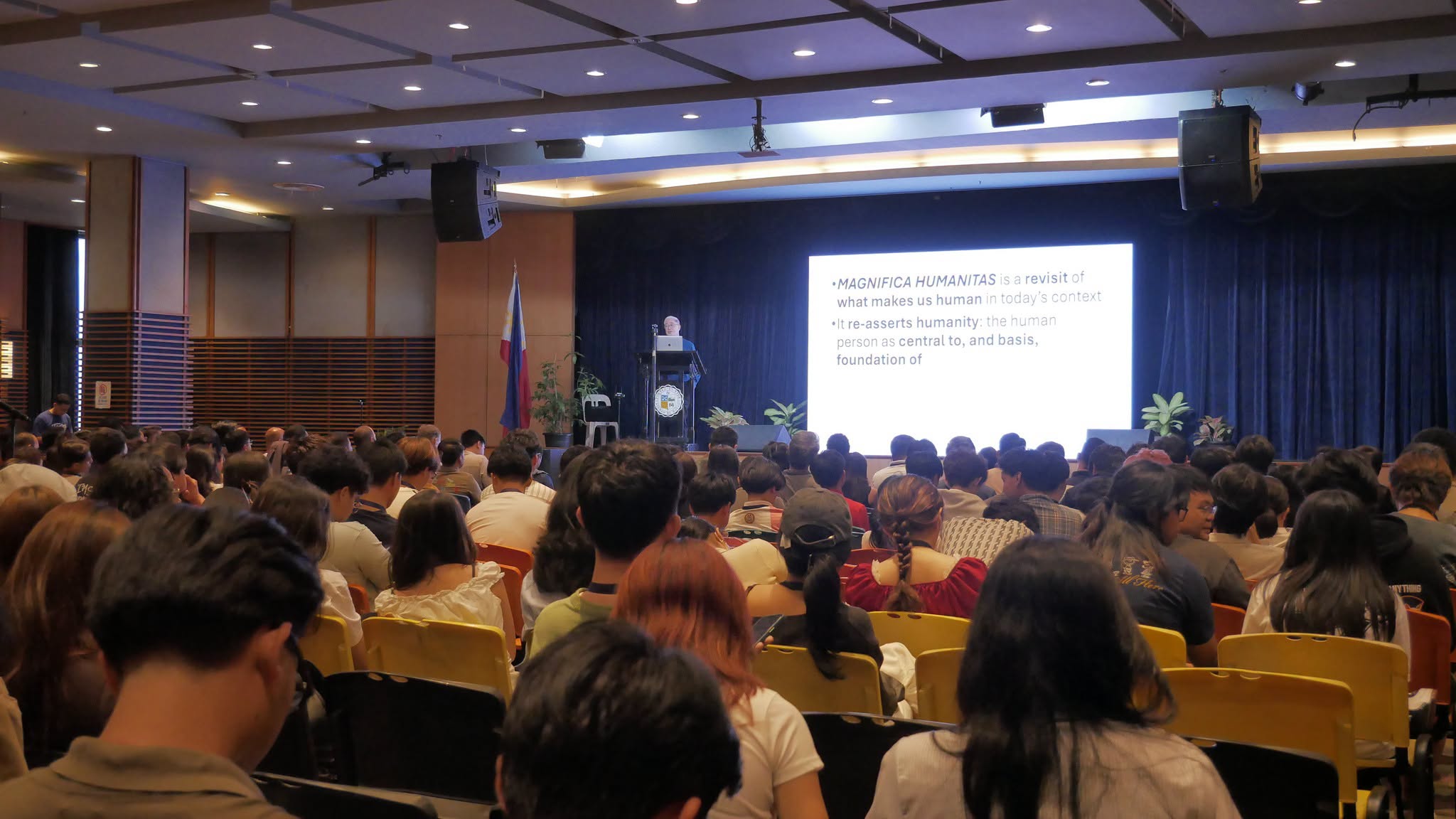
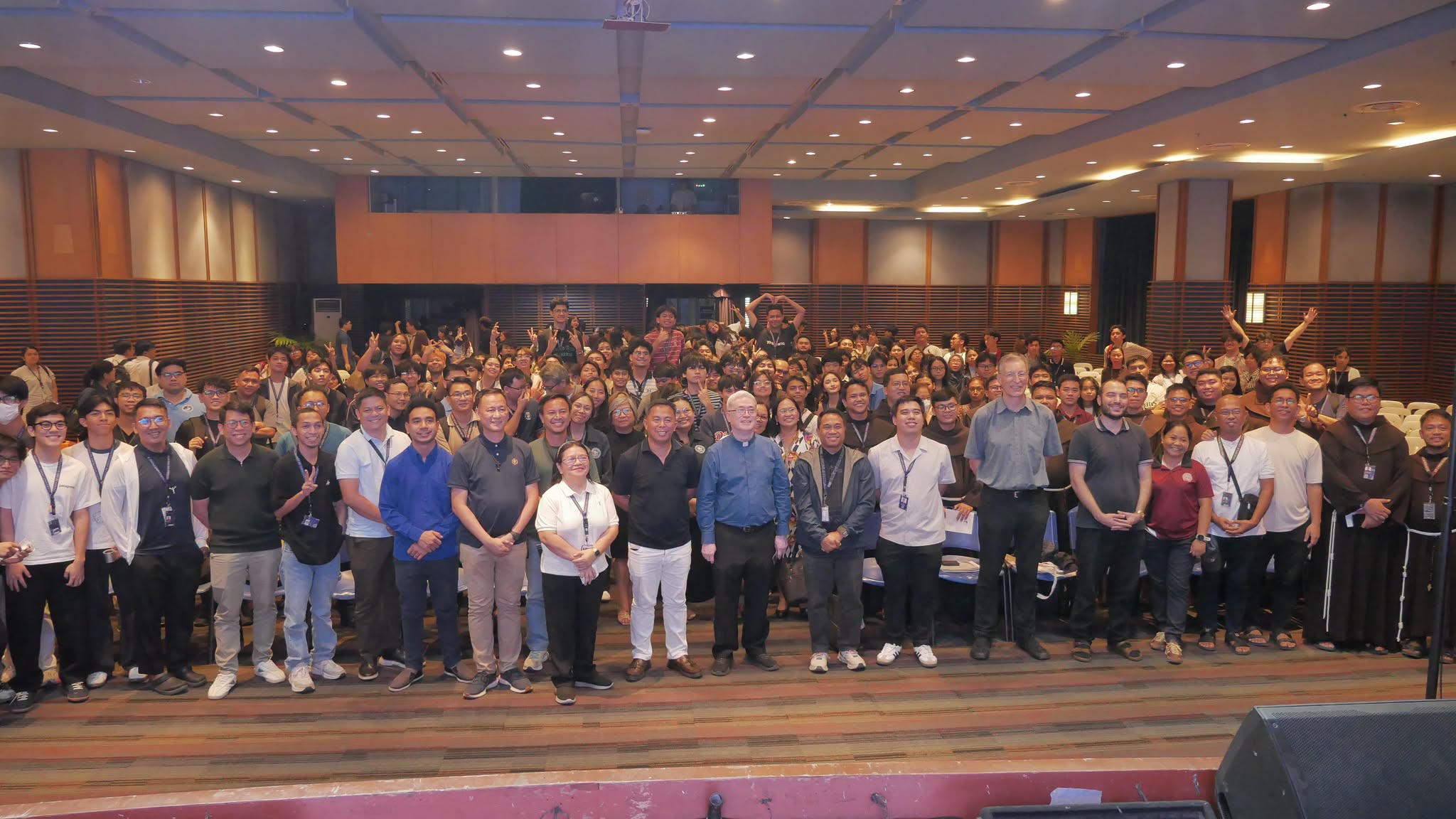
On 9 September 2026, the University hosted the 4th Annual Theological (Pakighinabi) Conversation at the Finster Auditorium. Framed through Pope Leo XIV’s Magnifica Humanitas, the event featured Fr. Karel S. San Juan, SJ, University President, as lead discussant.
In his lecture, Fr. San Juan placed the human person at the center of reflection on artificial intelligence. He discussed human dignity, relationships, responsibility, judgment, and self-transcendence, and invited participants to consider technological progress according to whether it genuinely serves human flourishing.
The conversation continued with a panel of co-discussants, Fr. Körner; Fr. Arthur Nebrao Jr., SJ; and Dr. Raul Lumapas, faculty members of the ADDU Computer Studies Cluster. Fr. Körner reflected on the call to become more fully human and to work toward a more humane and fraternal world. Fr. Nebrao drew attention to the distinction between artificial intelligence and human experience, particularly in relation to feeling, accountability, and moral responsibility. Dr. Lumapas, meanwhile, reflected on technological innovation from the perspective of computer science and on the responsibility to keep human well-being at the center of progress.
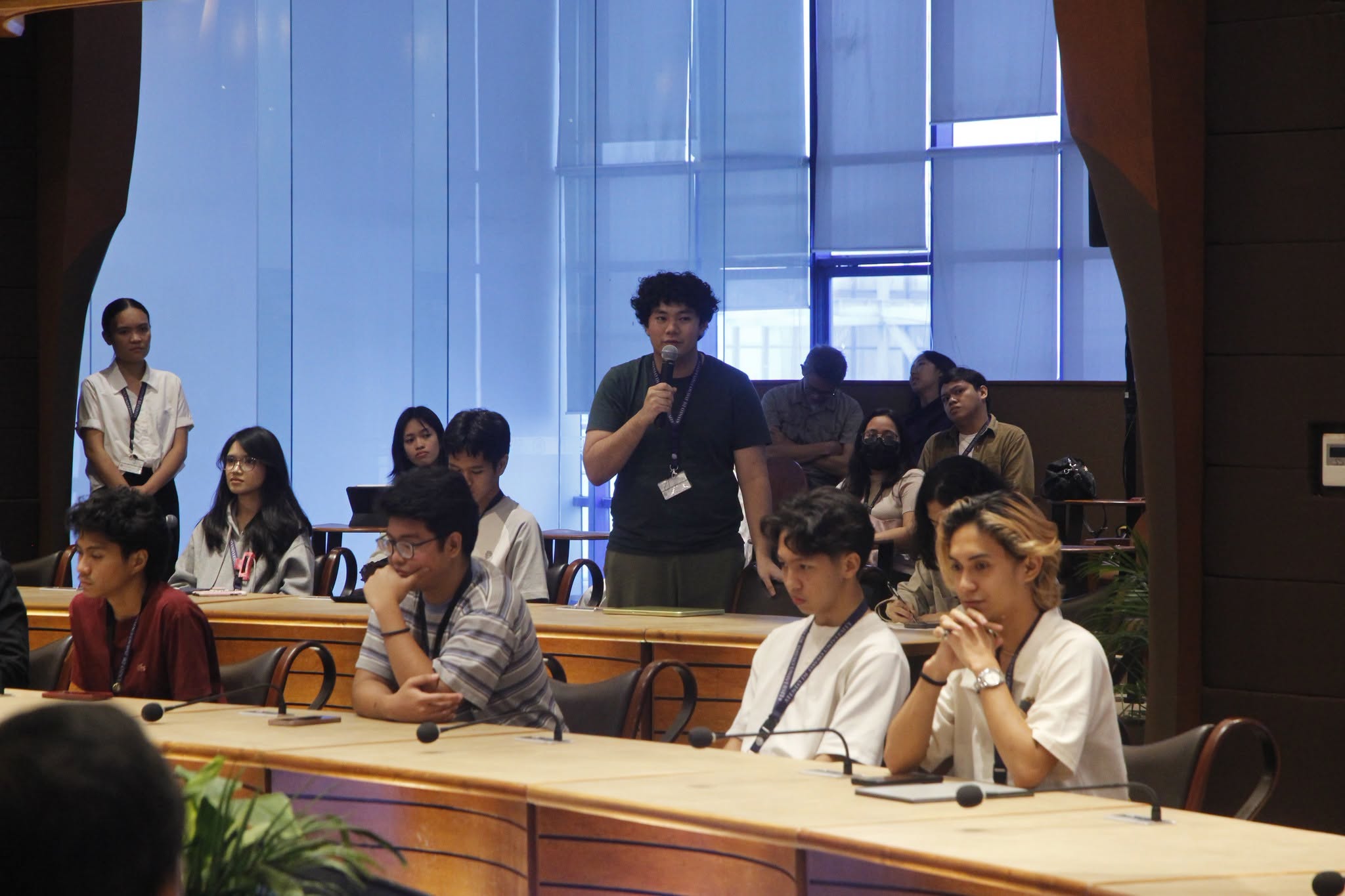
The open forum added further depth to the Pakighinabi, as participants raised questions and shared insights that extended the conversation across theology, ethics, technology, and lived experience.
Carrying the Conversations Forward
For Ateneo de Davao University, these academic engagements carried particular significance in Mindanao, where communities of different faiths, cultures, and traditions live alongside one another amid complex histories and changing social realities.
In support of the University’s Fortiores 2030 Strategic Plan, the International Learning Sessions strengthened local and international academic partnerships while creating spaces for dialogue, critical reflection, and collaboration across disciplines and faith traditions.
The University extends its heartfelt appreciation to Fr. Körner and Mr. Doğan for the generosity of their presence and for the scholarly conversations and reflections they shared with the ADDU community and its partners.